Cutting Accuracy, Lasting Art: Inside a Modern Granite Cutting Workshop
At first glance, granite cutting seems simple—sawing stone into shape.
But step inside a professional granite cutting workshop, and you’ll find something closer to a science lab than a factory floor.
Precision lasers hum quietly; waterjet streams trace designs with sub-millimeter control. Each slab becomes a blueprint of geometry, discipline, and craftsmanship.
At StoneSale, cutting isn’t just production—it’s interpretation.
We read the grain, predict the fracture, and guide the blade so the material’s natural rhythm remains intact.
The Evolution of Granite Cutting Technology
Traditional granite workshops relied on gang saws and manual inspection, where each slice risked micro-chipping and misalignment.
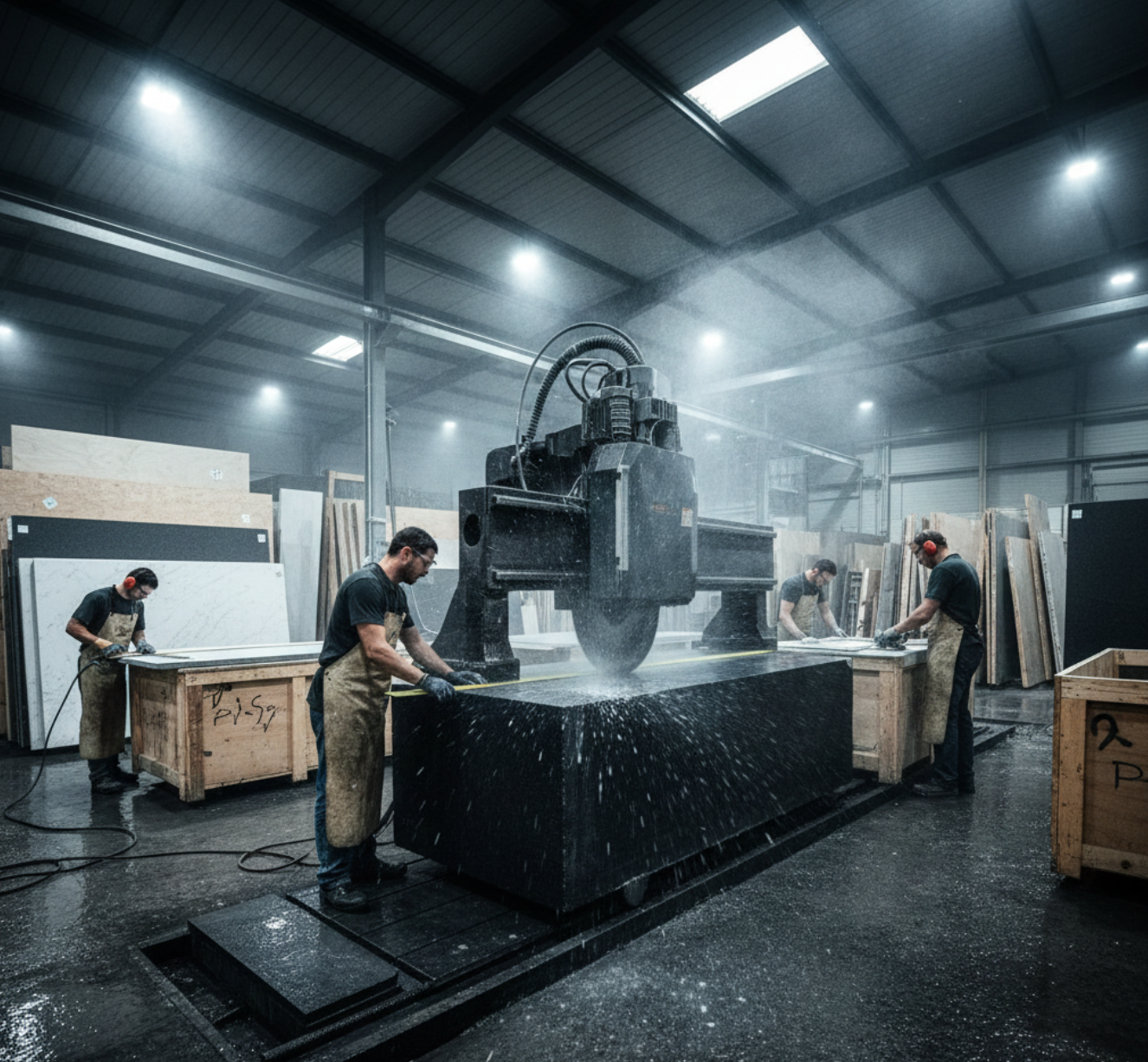
Modern systems—like CNC bridge saws, five-axis waterjets, and laser measurement arrays—have transformed this into a controlled engineering process.
Key Stages of Cutting Modern Granite:
-
Block Calibration – Raw granite blocks are laser-scanned for density variations.
-
Digital Planning – CAD modeling determines optimal cut angles and layout efficiency.
-
CNC Bridge Sawing – Achieves <1mm deviation per meter; automatic blade compensation ensures edge parallelism.
-
Waterjet Trimming – Ideal for curved designs and thin sections, prevents thermal stress.
-
Edge Refinement – Final polishing or beveling to customer specifications.
By merging data-driven precision with natural stone intelligence, StoneSale’s workshop reduces waste by up to 18%, while improving slab yield per block.
Equipment and Process Control
| Equipment | Function | Precision Level |
|---|---|---|
| CNC Bridge Saw | Main slab division | ±0.5mm |
| 5-Axis Waterjet | Complex curves & inlays | ±0.3mm |
| Laser Measuring System | Alignment verification | ±0.1mm |
| Edge Polisher | Surface finishing | Mirror-grade |
| Dust & Water Recycle Unit | Eco-friendly waste recovery | 95% reuse |
Each station is integrated into a digital monitoring system, allowing real-time adjustment of blade RPM, water pressure, and feed speed based on granite hardness.
This system follows ISO 9001:2015 process control standards, ensuring consistency across every cut, from small vanity tops to 10-meter façade panels.
The Human Element Behind the Machines
Despite automation, every cut still begins with a craftsman’s judgment.
Experienced operators determine slab orientation to align with vein direction—a subtle decision that affects both strength and aesthetic flow.
Before the first blade touches stone, we conduct a “dry map simulation,” overlaying virtual cuts to avoid grain mismatch in multi-piece installations.
This blend of machine precision and human foresight ensures what architects call visual continuity—where joints, tones, and reflections align flawlessly.
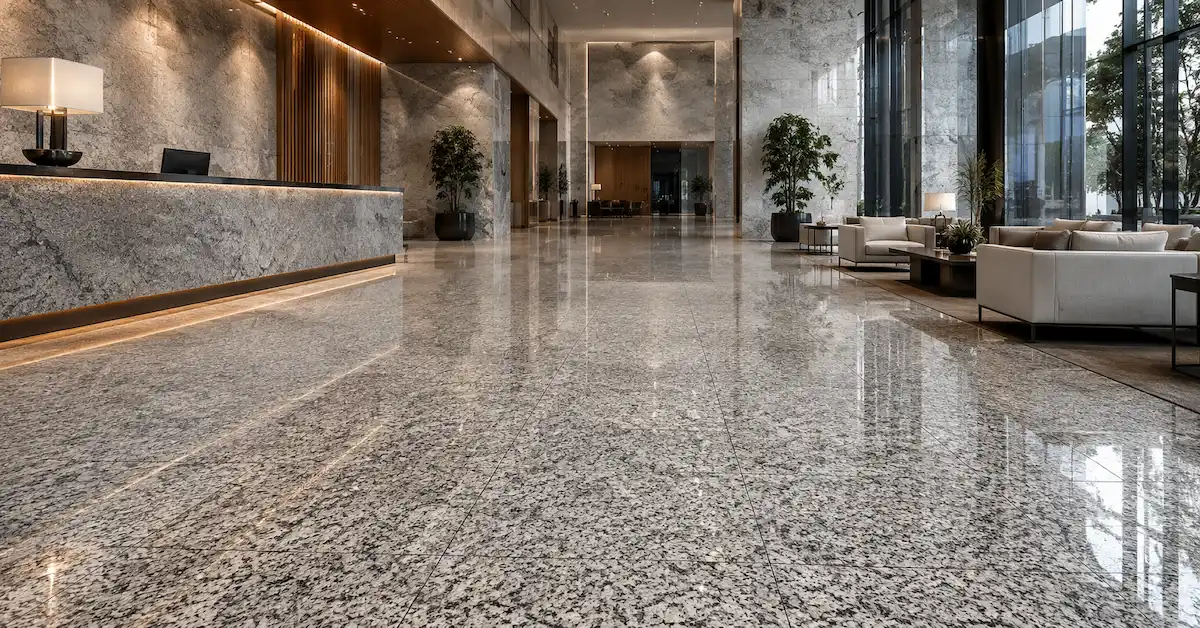
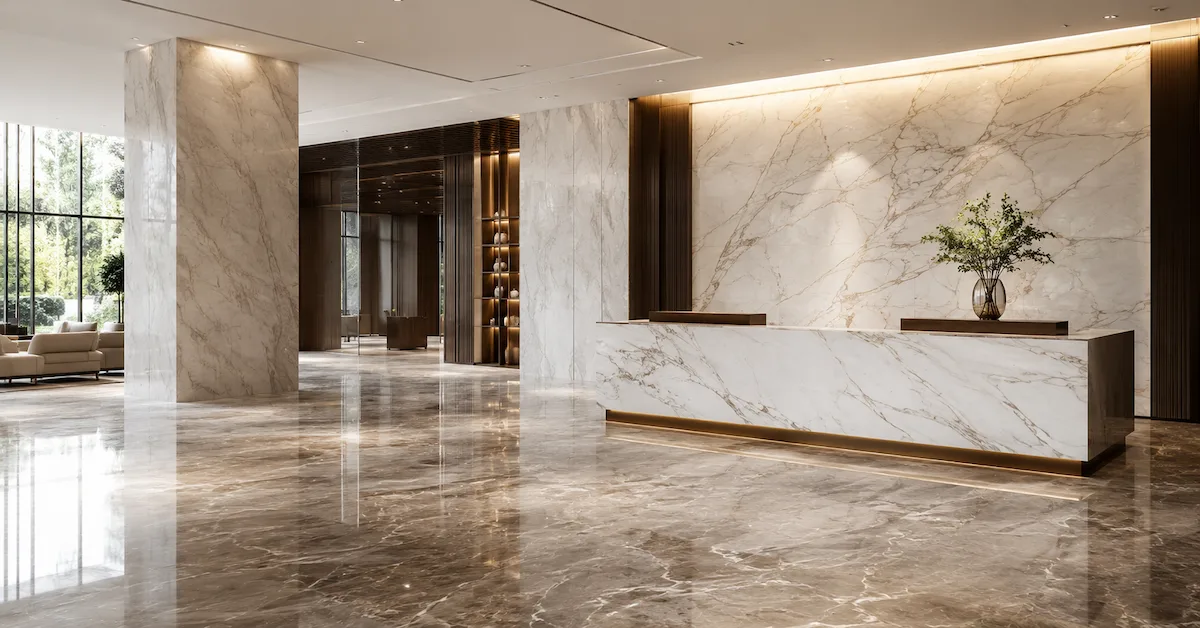
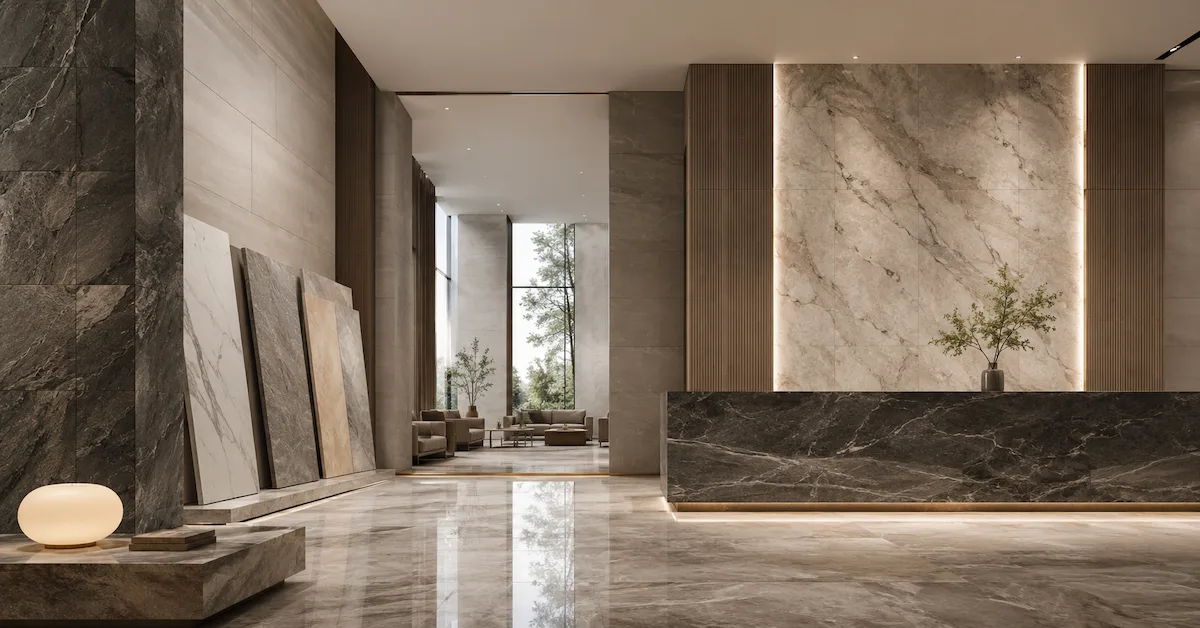
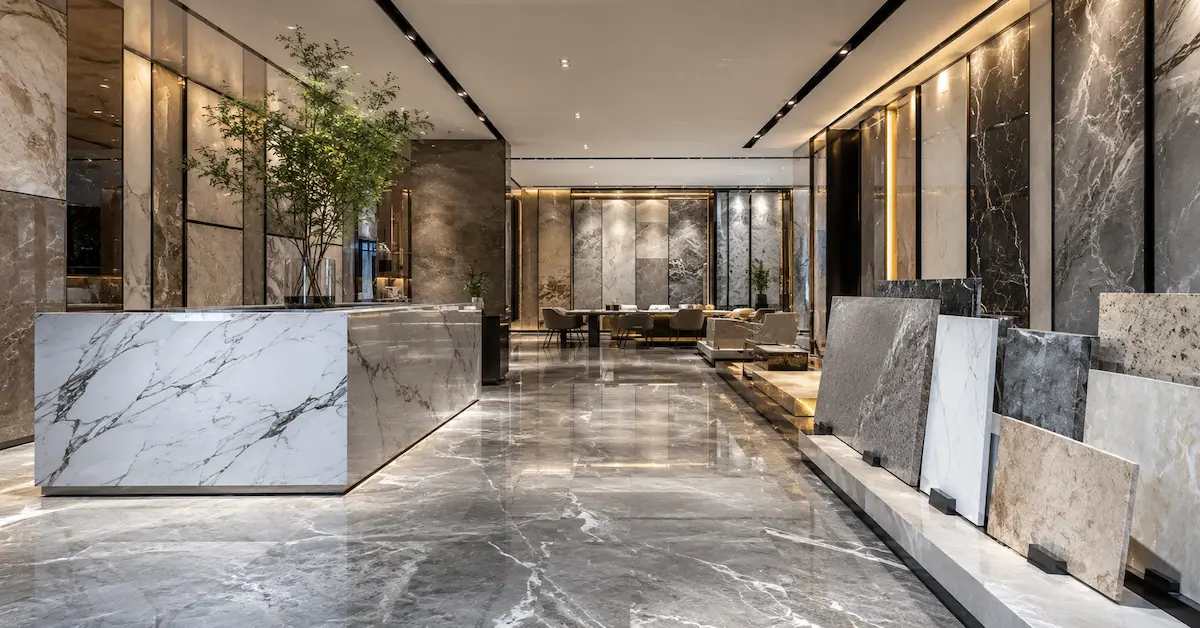
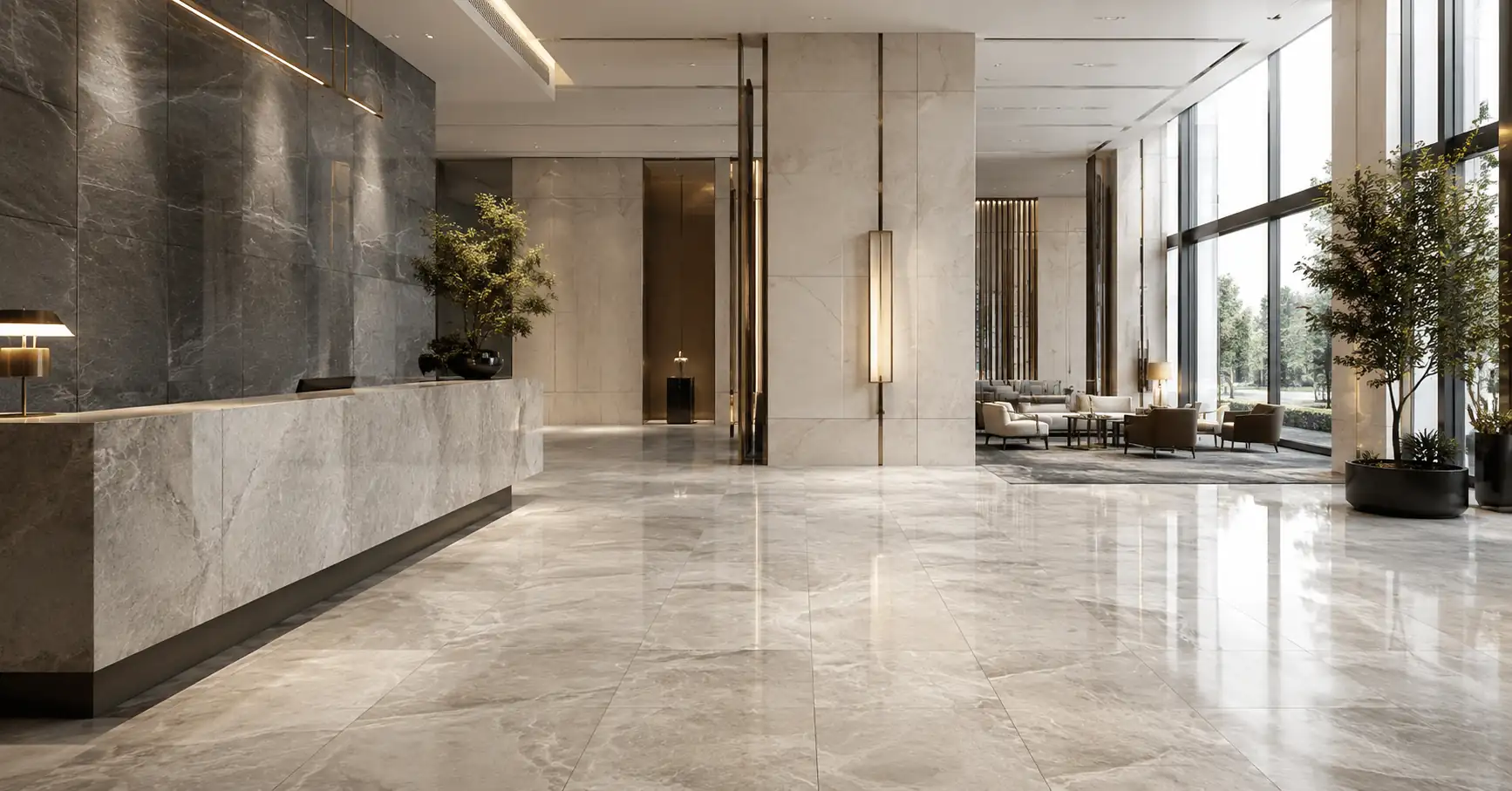
That’s why hotel lobbies, corporate reception desks, and art galleries choose StoneSale’s workshop as their fabrication partner.
Application Scenarios: From Construction to Custom Art
Granite cutting workshops today serve more than just building sites. Their outputs appear in:
-
Architectural Facades: Large-format flamed granite panels for exteriors.
-
Countertops & Islands: Polished slabs customized for seamless kitchen integration.
-
Public Spaces: CNC-carved stone signage and inlay artwork.
-
Furniture Design: Custom tables, stair treads, and reception consoles.
At StoneSale’s facility, multiple cutting bays operate simultaneously—each tuned to different textures and applications, from heavy industrial blocks to lightweight decorative panels.
Choosing the Right Granite Cutting Partner
| Selection Factor | Importance | What to Check | StoneSale Advantage |
|---|---|---|---|
| Cutting Accuracy | Ensures fit and finish | Ask for CNC tolerance data | ±0.5mm verified precision |
| Project Scale | Impacts scheduling | Check block handling capacity | 8,000㎡ monthly output |
| Surface Integrity | Avoids cracks & chips | Review edge testing reports | Zero-chipping QC inspection |
| Sustainability | Reduces waste | Evaluate recycling systems | 95% water reuse system |
| Customization Support | Enables design flexibility | Confirm CAD/CAM capability | In-house 3D digital modeling |
Partnering with a granite cutting workshop is not just about machinery—it’s about trust, transparency, and repeatable excellence.
Q&A: Insights from the Workshop Floor
Q: How does cutting speed affect quality?
Higher feed speeds can generate micro-fractures. Our CNC systems automatically adjust cutting velocity based on granite density to maintain structural integrity.
Q: What’s the difference between saw-cut and waterjet finishes?
Saw cuts are faster and ideal for straight lines; waterjets produce smoother edges and are better for curves or thin materials where heat damage is a concern.
Q: How do you ensure consistency across large projects?
We implement digital cut logs and color calibration databases to ensure matching texture and tone even across different production batches.
Precision That Outlives Time
Every slab that passes through a cutting blade at StoneSale is more than a product—it’s a legacy of craft and control.
We don’t just shape granite; we define how it fits the world around it—with precision that endures decades.
Learn more about our fabrication capabilities on our homepage
or consult our project team directly here.