From Material to Mood: The Psychology Behind Hotel Bathroom Marble Design
Step into a luxury hotel bathroom, and before a single word is spoken, something already speaks to you.
The echo of calm, the soft reflection on marble walls, the gentle coolness beneath your fingertips — all orchestrate a subtle emotional reaction.
That’s design psychology at work.
In hospitality, a bathroom is more than a private enclosure. It’s an emotional touchpoint — the space where guests slow down, reset, and reconnect with themselves. And marble, as a natural material, does what few materials can: it turns atmosphere into emotion.
At Lexiang Stone, every marble project begins not with a stone sample, but with a feeling we aim to evoke.
The Emotional Architecture of Stone
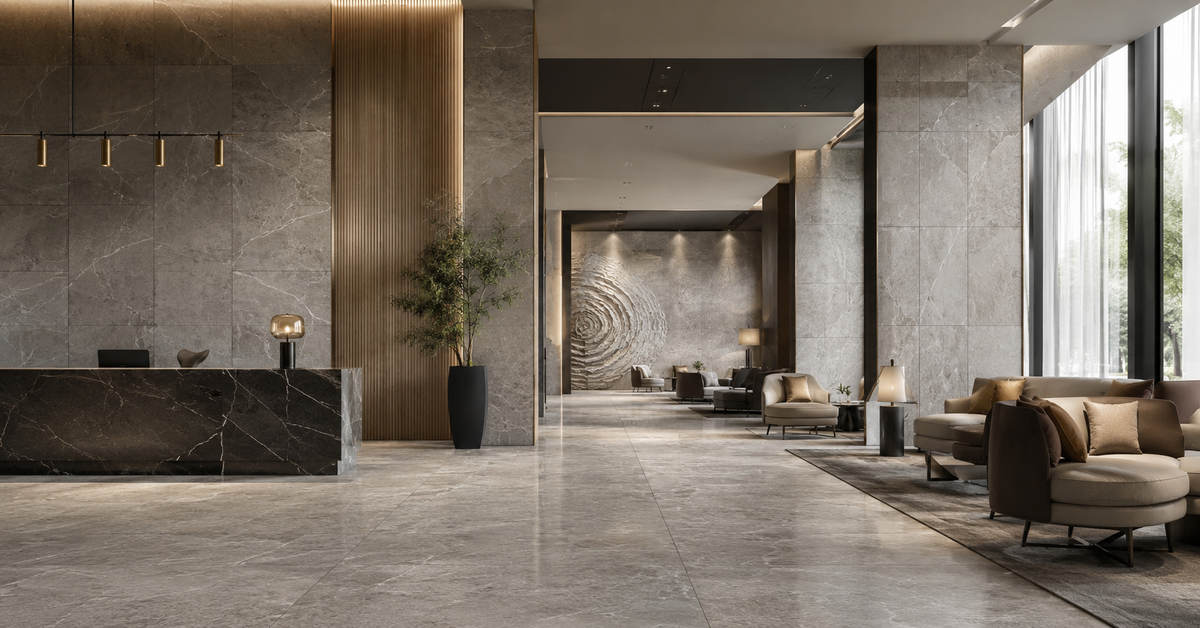
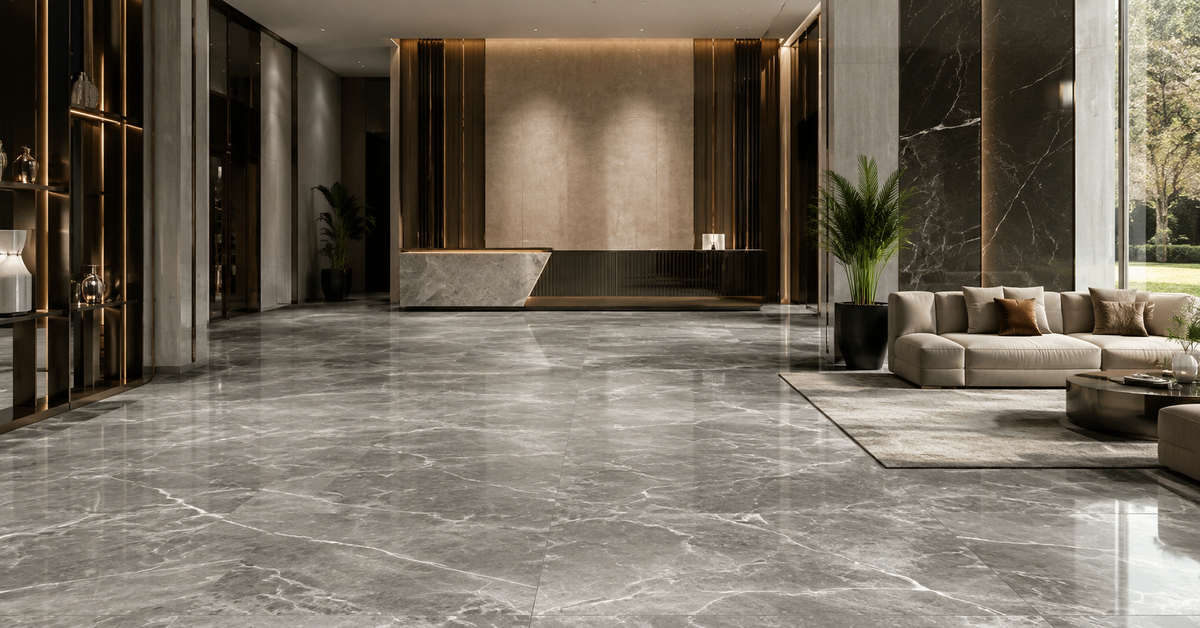
Every marble surface carries a message. White marbles whisper purity and space; greys convey restraint and balance; darker tones project depth and exclusivity.
Understanding this emotional language allows hotel designers to build atmospheres that shape perception before function even begins.
-
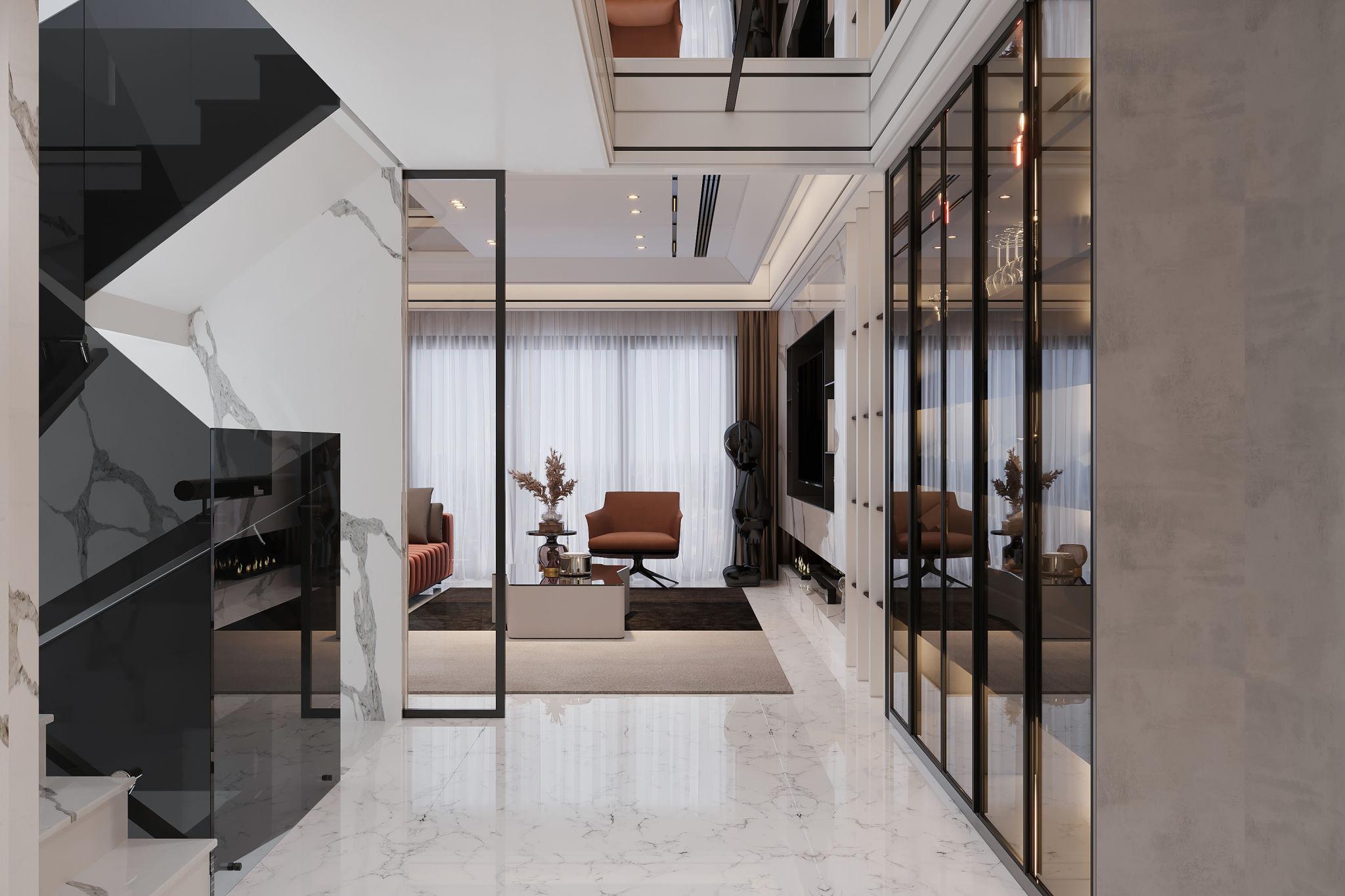
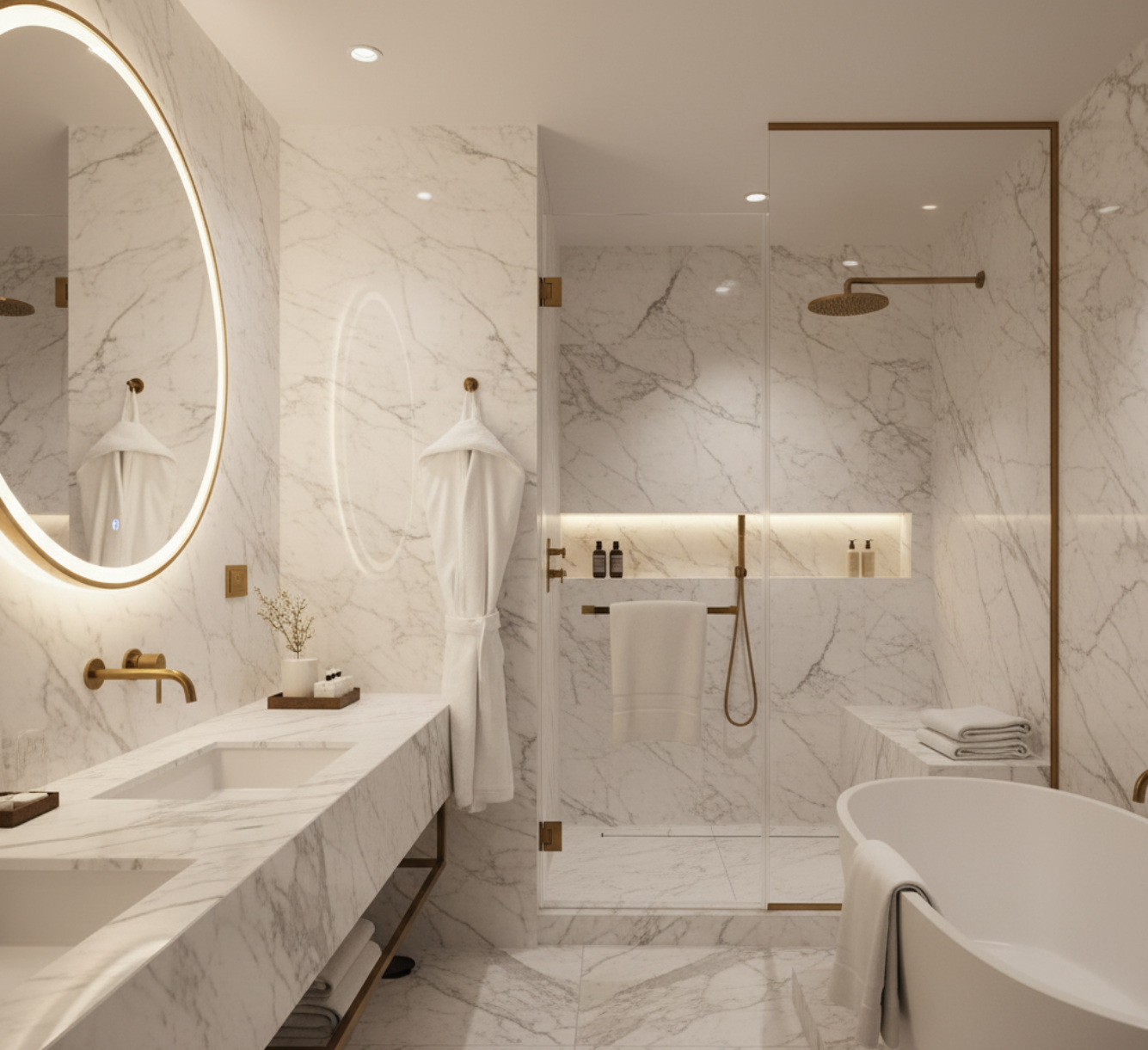
White Marble (Calacatta, Statuario) → communicates openness, light, and cleanliness — ideal for wellness-oriented suites.
-
Beige and Cream Marble (Crema Marfil) → evokes warmth and intimacy, comforting in boutique or resort settings.
-
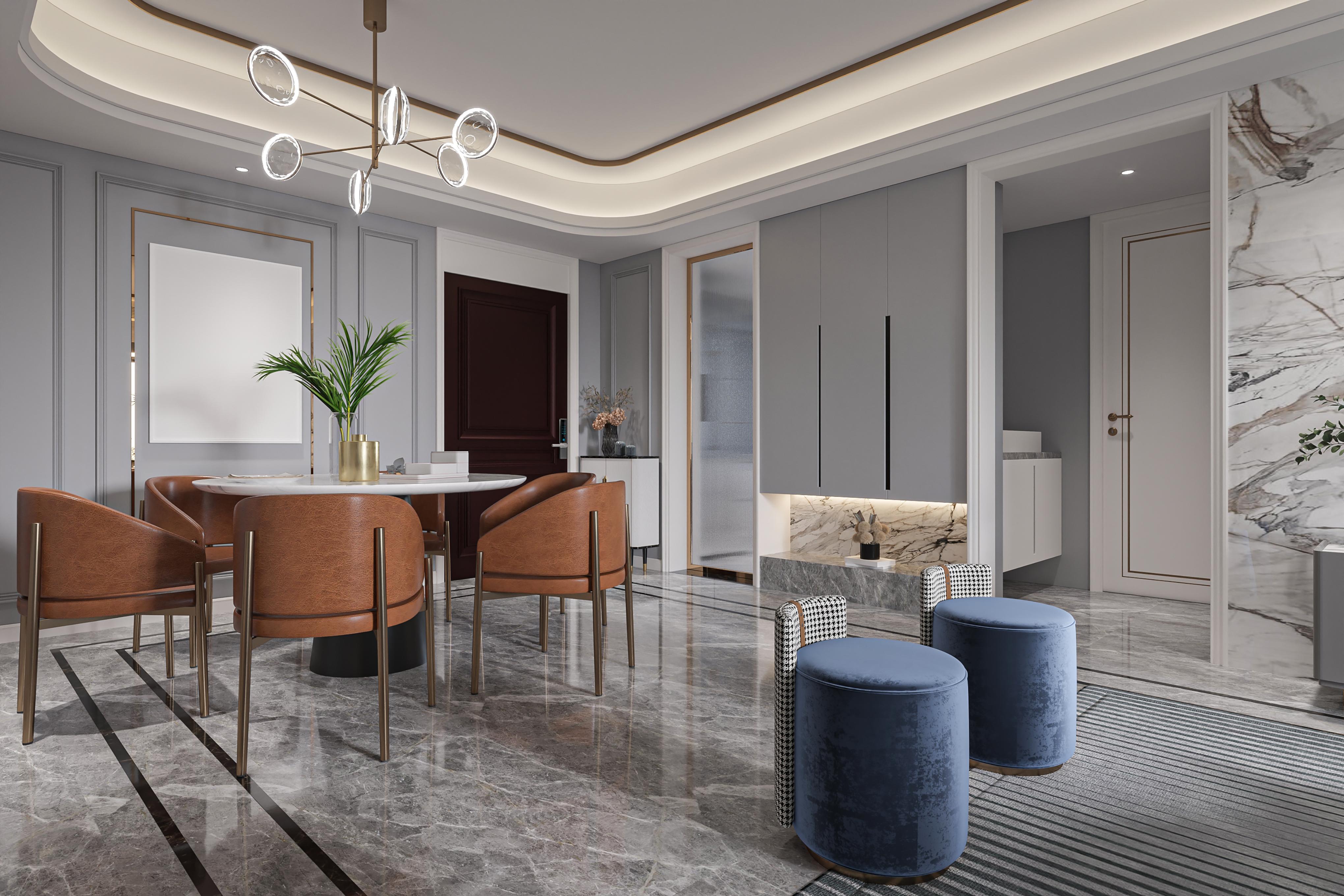
Grey Marble (Volakas, Silver Shadow) → suggests calm professionalism, perfect for urban business hotels.
-
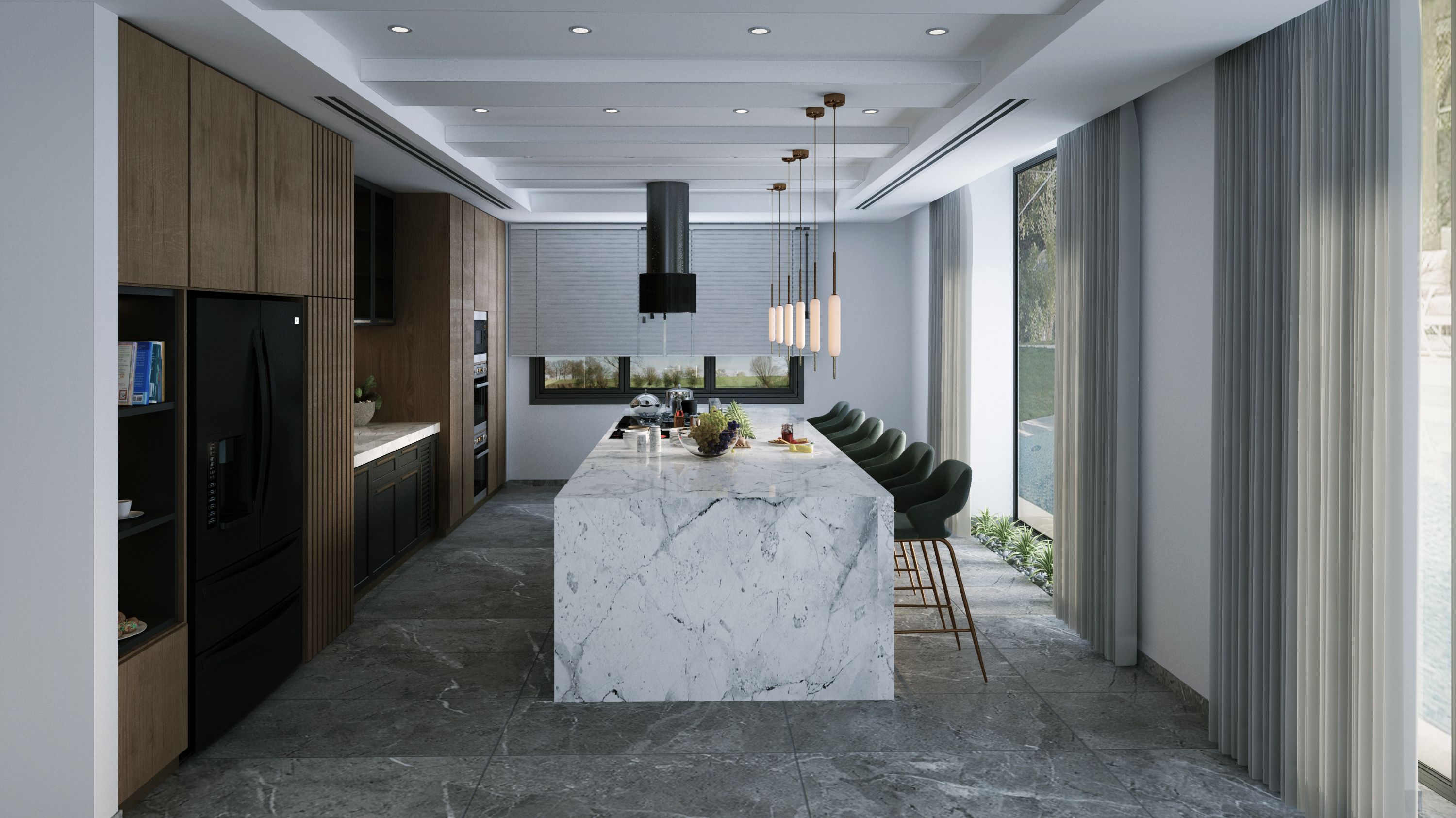
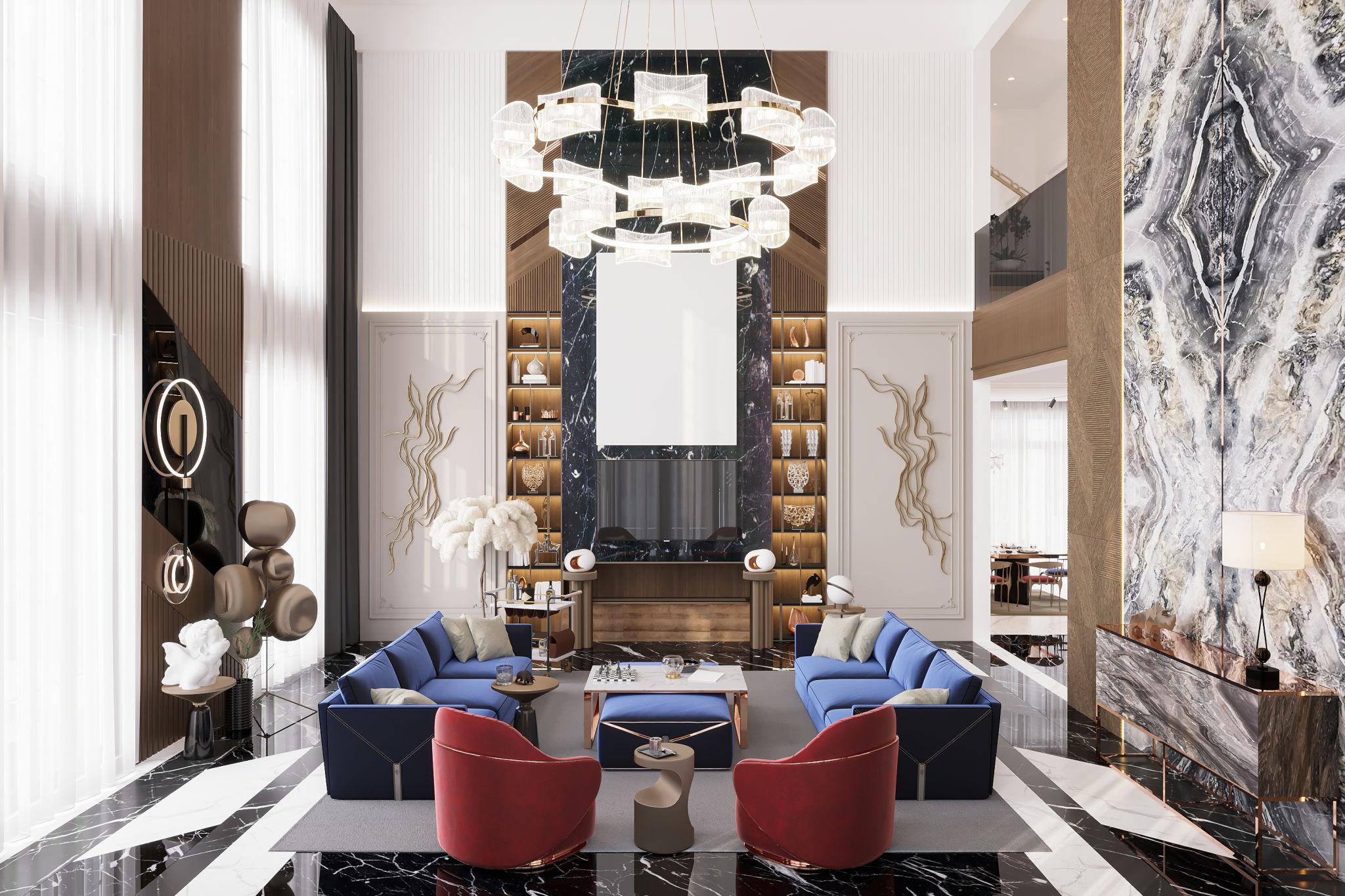
Black Marble (Nero Marquina) → creates intimacy and sophistication; a choice for luxury penthouse bathrooms.
The texture of marble enhances these emotional effects. A polished surface invites reflection and grandeur. A honed or brushed finish feels natural, grounded, and tactile — transforming touch into comfort.
Light, Reflection, and the Mind
Lighting and marble are inseparable in hotel design. The way light bounces, diffuses, or rests on stone determines mood as much as the color itself.
Soft lighting across honed marble walls creates a spa-like calm, while spotlit polished veins awaken the space with drama and vitality.
Lexiang Stone collaborates with lighting designers to simulate these visual effects before installation.
By mapping reflection values and light behavior on different marble types, we ensure that the material not only fits the design but feels right under real conditions — warm, composed, and emotionally resonant.
Sensory Layering: Beyond Visual Beauty
Luxury doesn’t begin with sight; it begins with sensation. The psychology of hotel bathrooms is multisensory.
Temperature, texture, and even sound matter.
Marble’s natural coolness contrasts beautifully with warm lighting or wooden elements, offering a sensory equilibrium that modern travelers subconsciously associate with luxury and wellness.
In acoustic terms, its density softens echoes, creating a hushed, private atmosphere that complements high-end hospitality.
This is why Lexiang Stone engineers its slabs for both aesthetic and acoustic balance — a harmony between the visual and tactile dimensions of comfort.
Design Logic: Aligning Brand Identity with Stone Personality
A five-star chain in Dubai and a nature-inspired resort in Bali share one requirement — emotional consistency.
However, their expressions of luxury differ.
The first seeks monochrome geometry and bold contrasts; the second desires organic softness and earth-toned continuity.
By mapping brand identity against marble characteristics, Lexiang Stone helps developers choose materials that translate brand language into architectural expression.
| Brand Personality | Recommended Marble | Finish | Emotional Effect |
|---|---|---|---|
| Modern & Minimal | Volakas / Carrara | Honed | Calm, clean sophistication |
| Classic & Regal | Calacatta / Arabescato | Polished | Grandeur, reflective luxury |
| Warm & Welcoming | Beige / Crema Marfil | Brushed | Comfort, hospitality warmth |
| Bold & Exclusive | Nero Marquina / Panda White | Polished | Confidence, intimacy |
Every tone, every finish, is chosen with emotion in mind — not just aesthetics.
Questions & Answers: The Psychology of Stone in Design
Q: Why does marble affect how guests feel in a hotel bathroom?
Because our brains respond instinctively to natural materials. The coolness of stone signals cleanliness and stability, while its organic veins mimic nature’s patterns — known to calm the nervous system and evoke trust.
Q: How can designers use marble color to shape emotion?
Light colors expand perceived space and create freshness; darker tones create privacy and intimacy. The balance of both, when used strategically, influences how long guests linger and how relaxed they feel.
Q: What makes Lexiang Stone’s approach unique?
Unlike standard suppliers, Lexiang Stone integrates emotional design from the start — combining color psychology, spatial acoustics, and lighting reflection mapping to engineer marble environments that feel as good as they look.
Emotion, Material, and Memory
Marble doesn’t just decorate — it defines how a guest feels in the quiet moments between arrival and rest.
It connects natural history to human psychology, creating a dialogue between the physical and the emotional.
In every hotel project, Lexiang Stone translates this dialogue into tangible form: reflective calm, tactile comfort, timeless prestige.
Discover how material selection can shape emotion on our homepage or start your next hospitality project here.