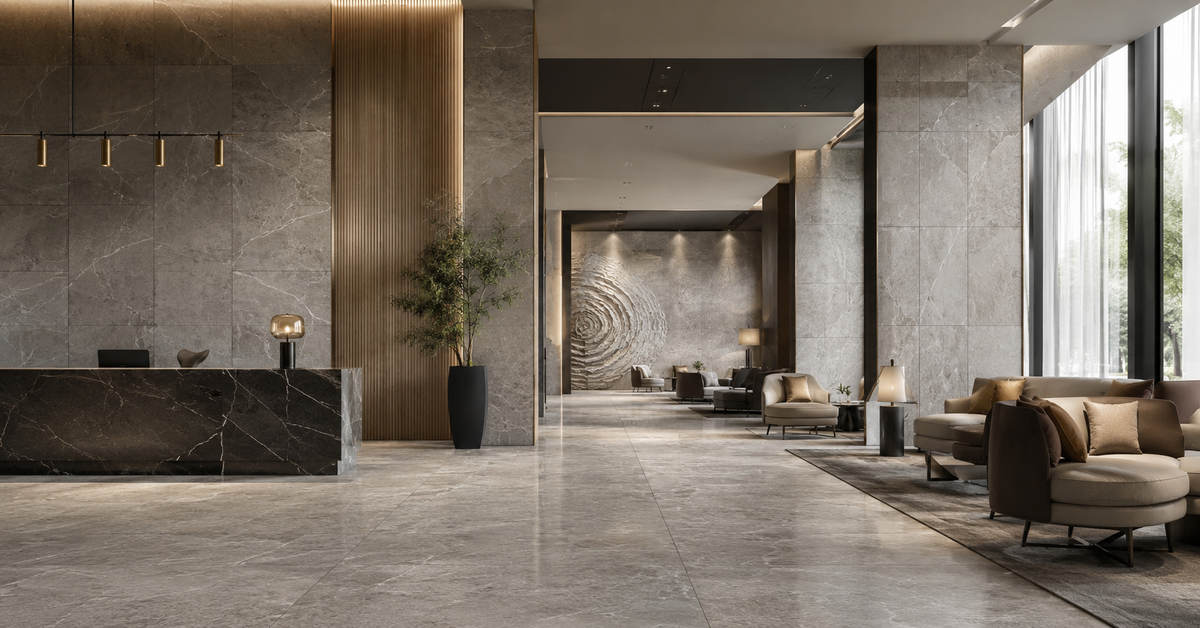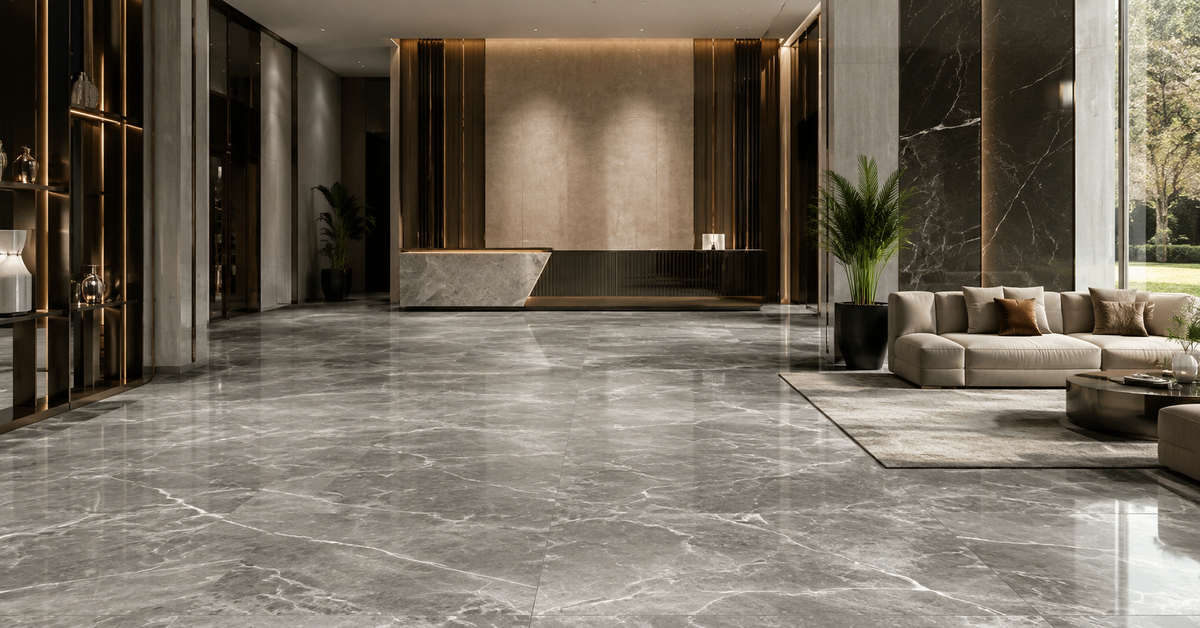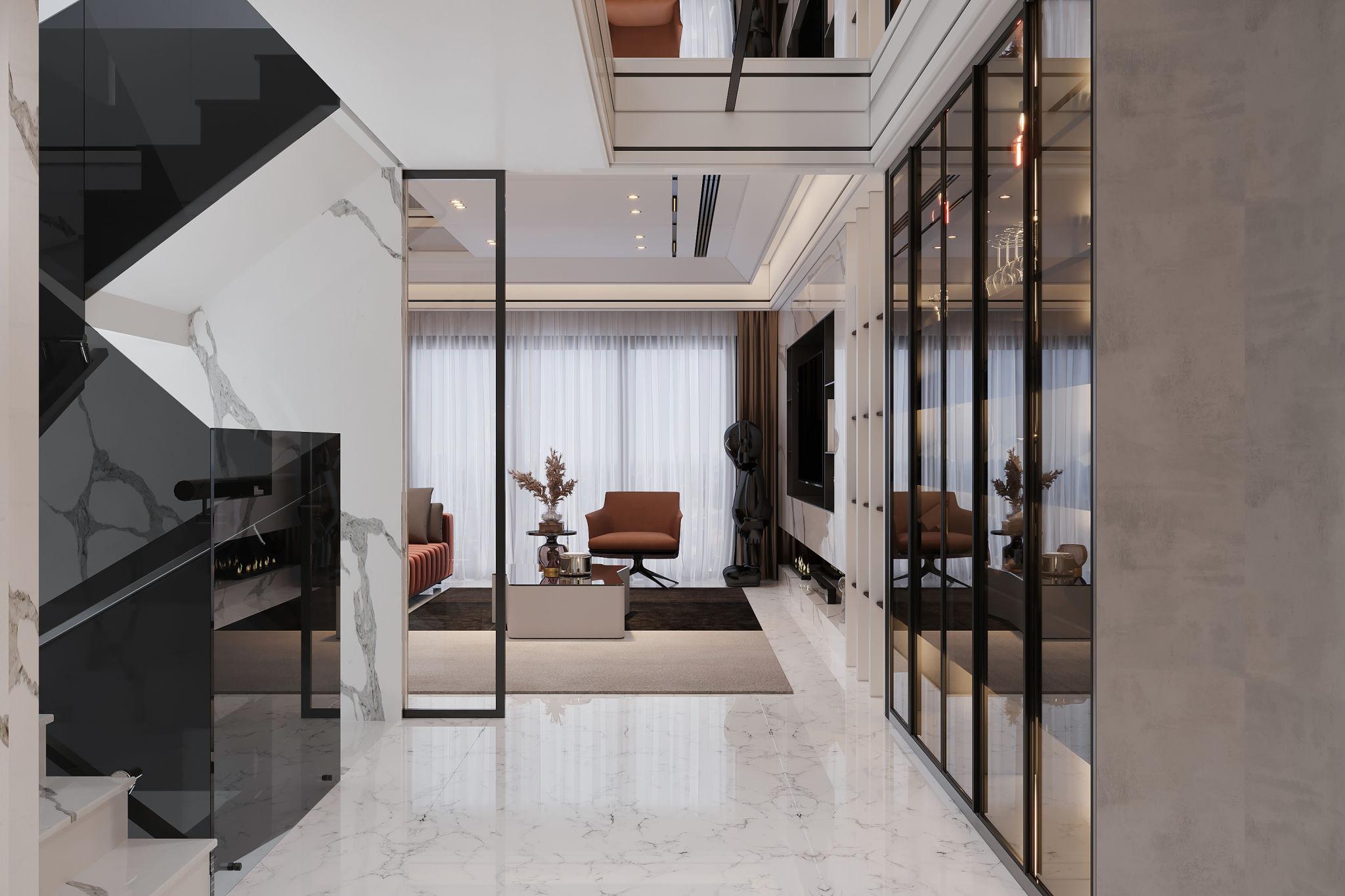
Hotel Lobby Marble Floor Solutions for High-Traffic Hospitality Spaces
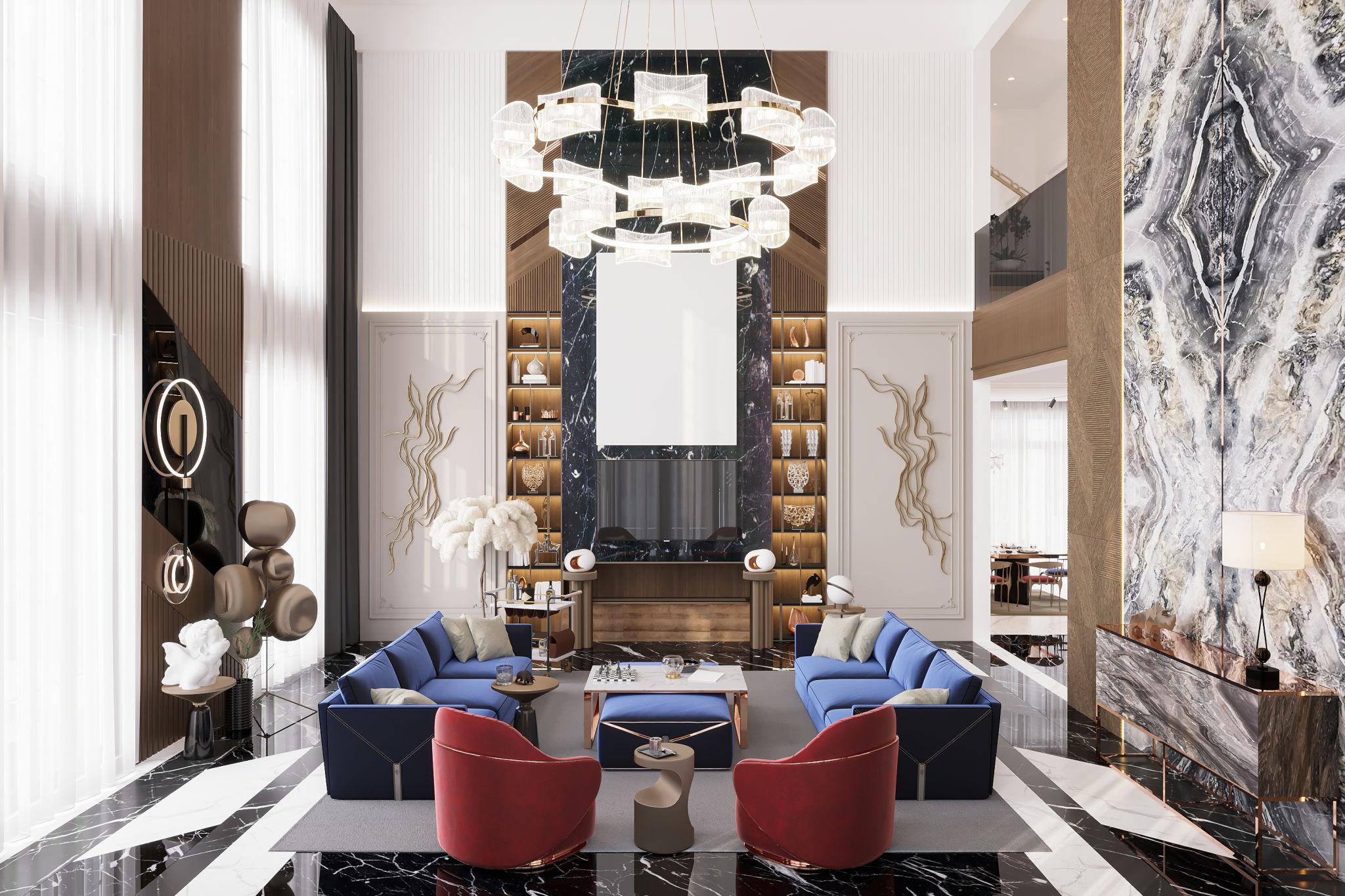
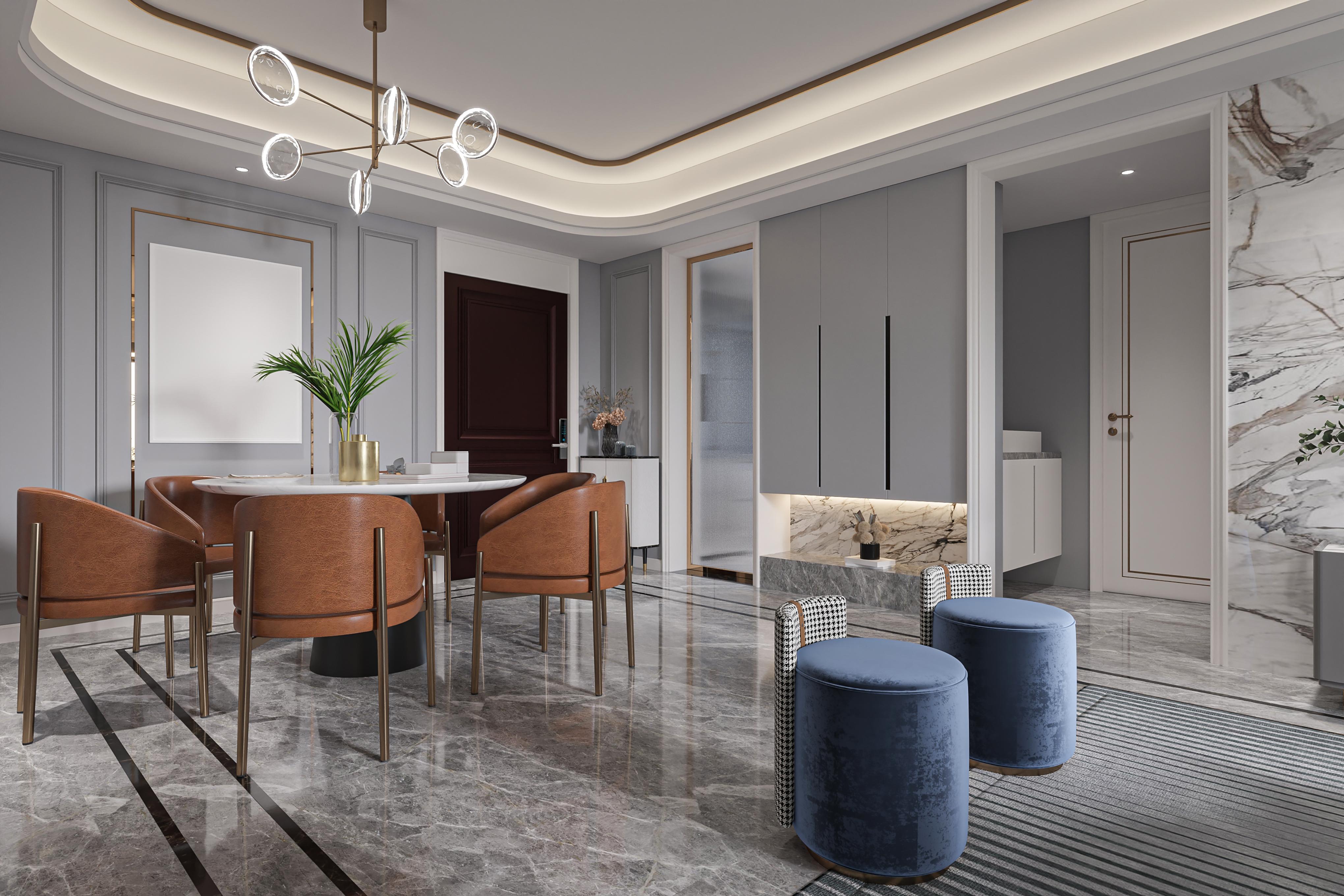
A hotel lobby marble floor does more than cover space—it defines atmosphere, brand perception, and guest experience. Yet many hospitality projects encounter avoidable challenges: inconsistent veining across large areas, cracking under heavy luggage traffic, glare from improper polishing, or delays caused by inaccurate tile calibration. In high-traffic hospitality environments, minor fabrication deviations can quickly become visible defects.
To address these risks, Stonesale integrates structured block grading, calibrated cutting, finish control, and export coordination to support hotel lobby flooring projects at scale. Through controlled production and project-specific batching, the company ensures marble flooring delivers both visual continuity and structural reliability.
Selecting the Right Marble for Lobby Flooring
Before fabrication begins, material performance must align with operational demand. Hotel lobbies experience constant pedestrian flow, rolling luggage movement, and lighting exposure. Selecting marble with suitable density and abrasion resistance is critical.
According to ASTM C503 (Standard Specification for Marble Dimension Stone), marble used in commercial environments must meet defined thresholds for compressive strength and water absorption.
Typical structural metrics for lobby-grade marble include:
-
Density: 2.6–2.8 g/cm³
-
Water absorption: ≤0.8%
-
Compressive strength: 100–140 MPa
-
Abrasion resistance: Suitable for heavy foot traffic
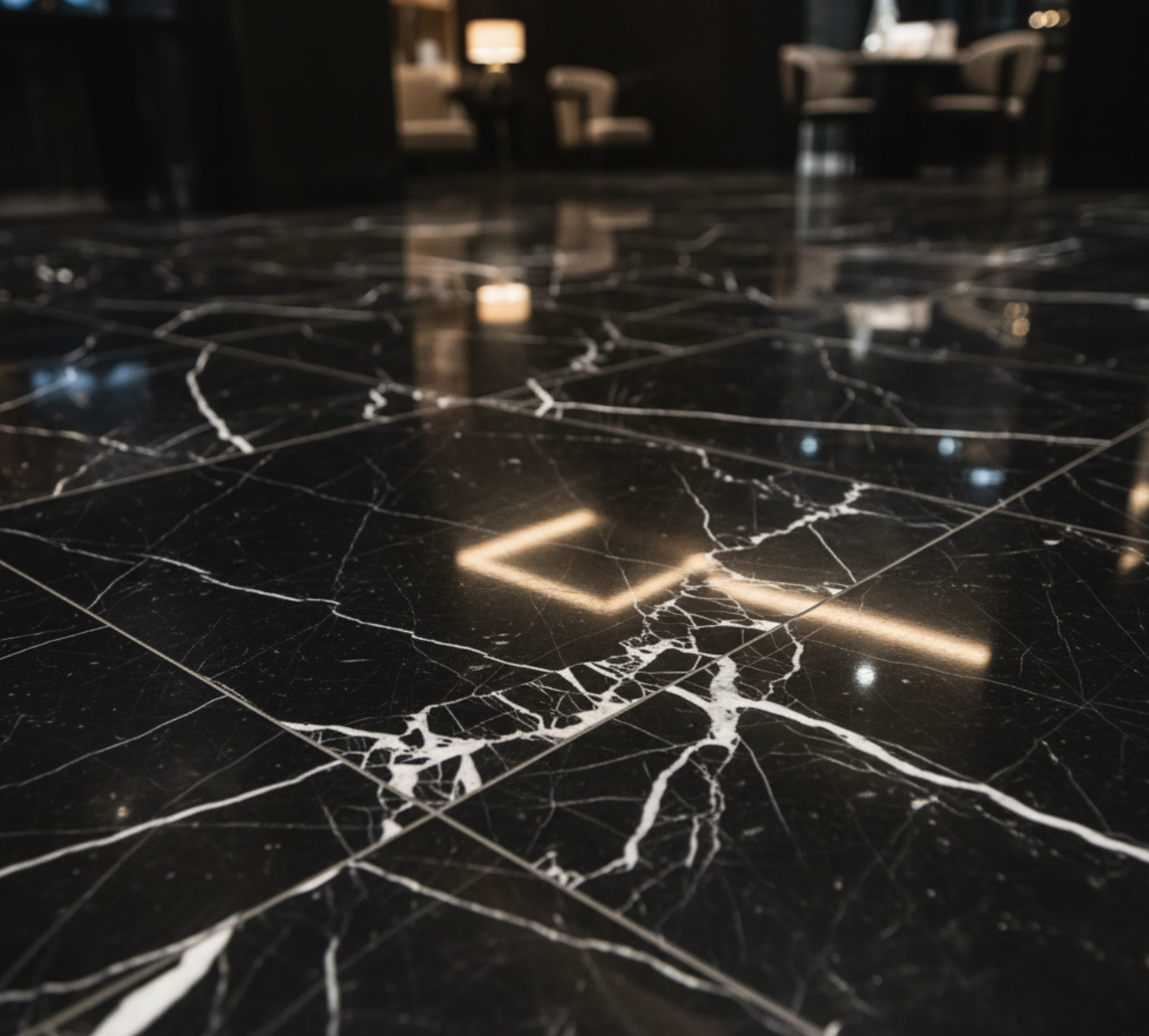
Dense varieties such as Calacatta, Emperador, or Nero Marquina are often selected for their structural stability and consistent surface finish.
Large Format Marble and Visual Continuity
Hotel lobby marble floor design often relies on large format tiles to reduce joint lines and enhance spatial openness. However, increasing tile dimensions introduces fabrication complexity.
Stonesale manages this through:
-
Block grouping based on vein direction
-
Book-matching options for symmetrical layouts
-
CNC cutting with tolerance within ±0.3–0.5 mm
-
Thickness calibration for level installation
Large format marble floor tiles (800×800 mm, 1200×600 mm, or custom dimensions) help create expansive, uninterrupted surfaces suitable for grand lobby entrances.
Surface Finish and Safety Considerations
While polished marble enhances light reflection and luxury appeal, safety must remain a priority. ANSI A326.3 guidelines for Dynamic Coefficient of Friction (DCOF) outline slip resistance standards for interior flooring.
Finish selection directly influences performance:
| Finish Type | Surface Character | Suitable Lobby Use |
|---|---|---|
| Polished | High gloss, reflective | Premium hotel entrances |
| Honed | Matte finish | Reduced glare zones |
| Brushed | Slight texture | Transitional areas |
In high-moisture climates or near entrances exposed to rain, honed or lightly textured finishes may be recommended to reduce slip risk.
Installation Planning for Hospitality Projects
Beyond fabrication, installation strategy affects longevity. The Tile Council of North America (TCNA Handbook) emphasizes proper substrate flatness and expansion joint placement in large-scale stone installations.
Key installation parameters include:
-
Substrate tolerance within ±3 mm over 3 meters
-
Movement joints integrated into floor layout
-
Use of high-performance adhesives
-
Proper curing time before heavy load exposure
Stonesale supports contractors with calibrated tiles and installation sequencing documentation to streamline execution.
Safety, Compliance, and Transport Coordination
Hospitality projects often operate under strict regulatory and safety frameworks. Stonesale aligns marble production with ASTM C503 standards and European EN 12058 for dimension stone flooring.
Quality control includes:
-
Batch coding for traceability
-
Water absorption testing
-
Surface flatness inspection
-
Visual grading for vein continuity
For international transport, marble floor tiles are separated by foam layers, secured in reinforced wooden crates compliant with ISPM 15 regulations, and balanced within containers to reduce transit stress.
Pre-shipment inspection reports and loading photos ensure order accuracy before dispatch.
Application Beyond the Lobby Core
While the primary focus remains the central reception area, marble lobby flooring frequently extends into:
-
Corridors and elevator halls
-
Ballroom entrances
-
Conference center foyers
-
Staircases and mezzanine transitions
Maintaining consistent batch production ensures cohesive tone across these connected spaces.
Q&A: Practical Insights for Hotel Developers
Q: Can marble withstand luggage wheels and heavy foot traffic?
Yes, when dense varieties are selected and proper finish and maintenance plans are applied.
Q: How is color consistency maintained in large lobbies?
Blocks are grouped by tone and processed within the same production batch to maintain visual continuity.
Q: What is the typical production lead time?
Large hotel lobby projects typically require 4–6 weeks depending on tile size and customization.
Delivering Marble Floors That Define First Impressions
A hotel lobby marble floor shapes guest perception from the moment they enter. Achieving both durability and visual cohesion requires calibrated fabrication, finish control, compliance alignment, and careful export logistics.
By integrating structural material grading with precision processing, Stonesale supports hospitality projects that demand scale, elegance, and reliability.
For detailed specifications, project consultation, or sample requests, visit https://www.stonesale.com/ or contact the team directly via https://www.stonesale.com/contact-us.