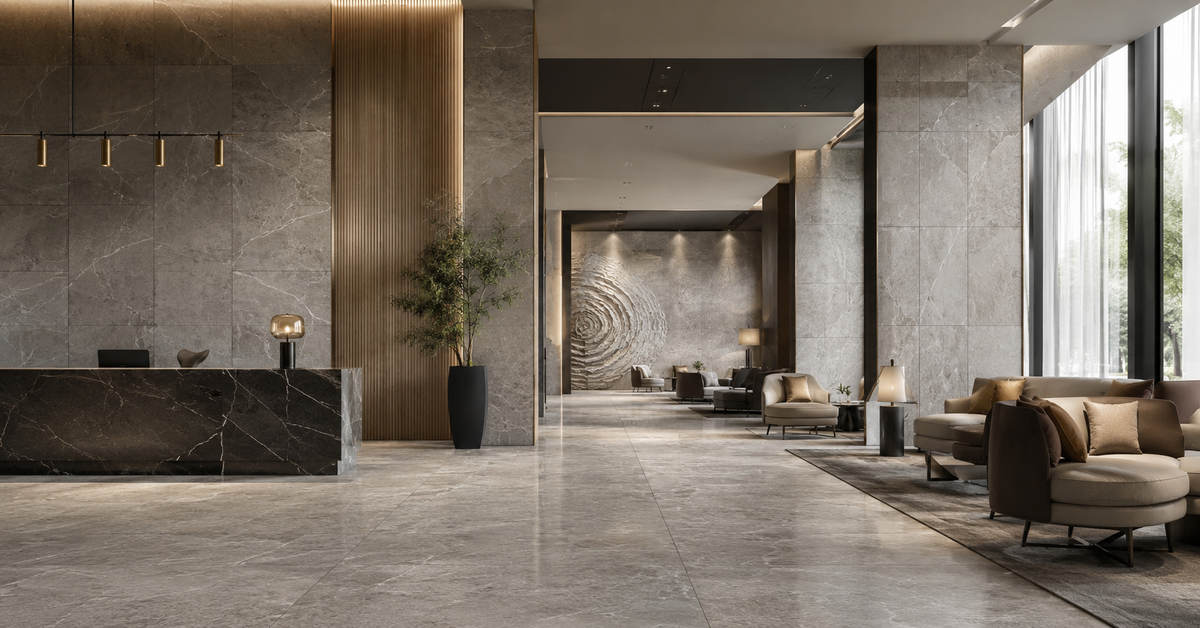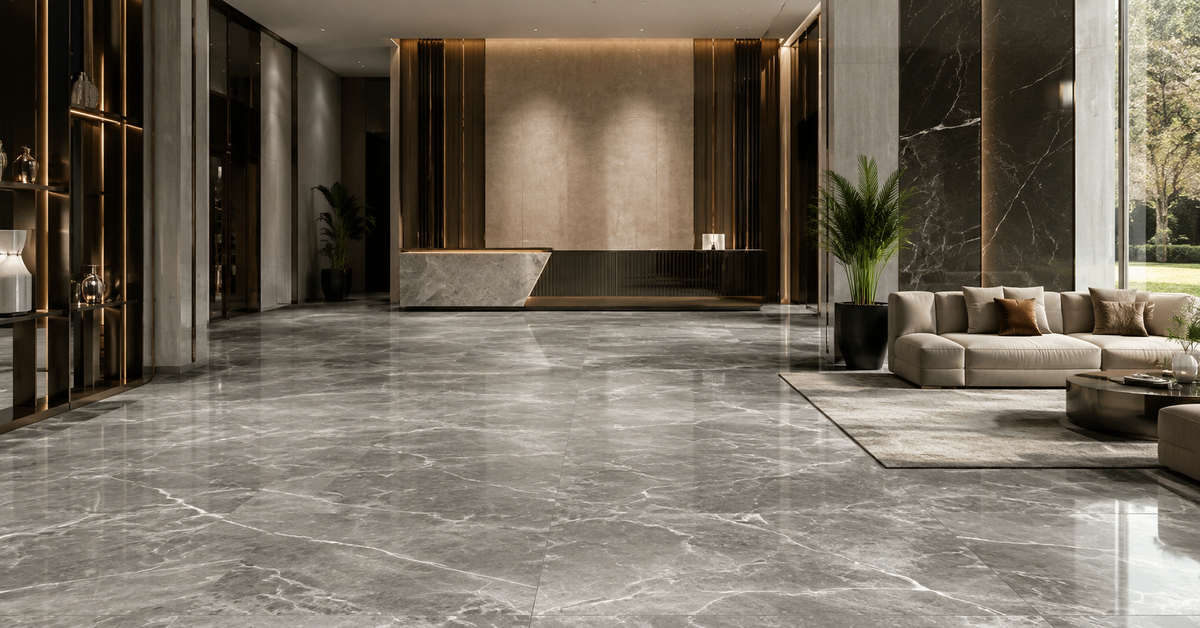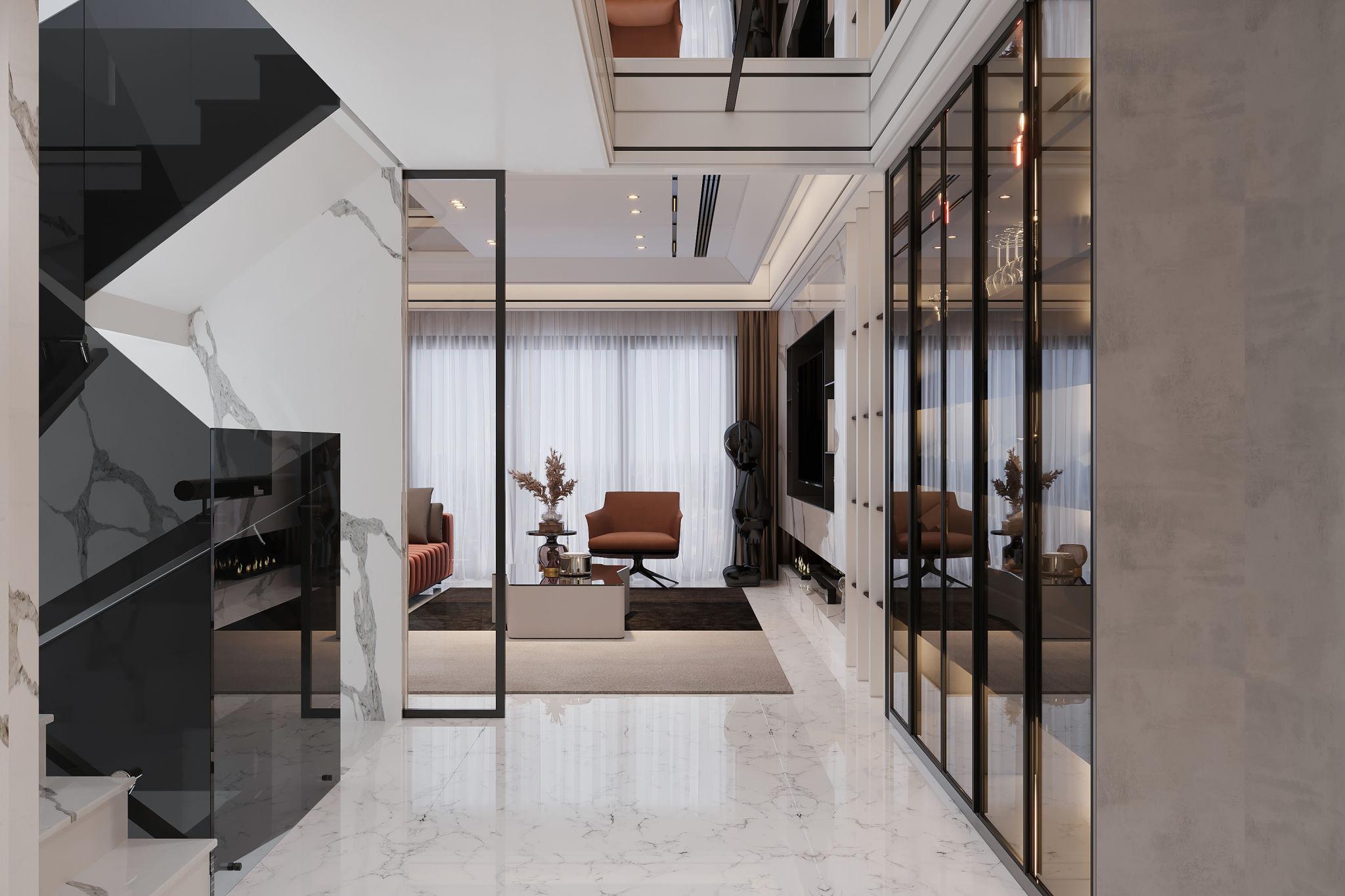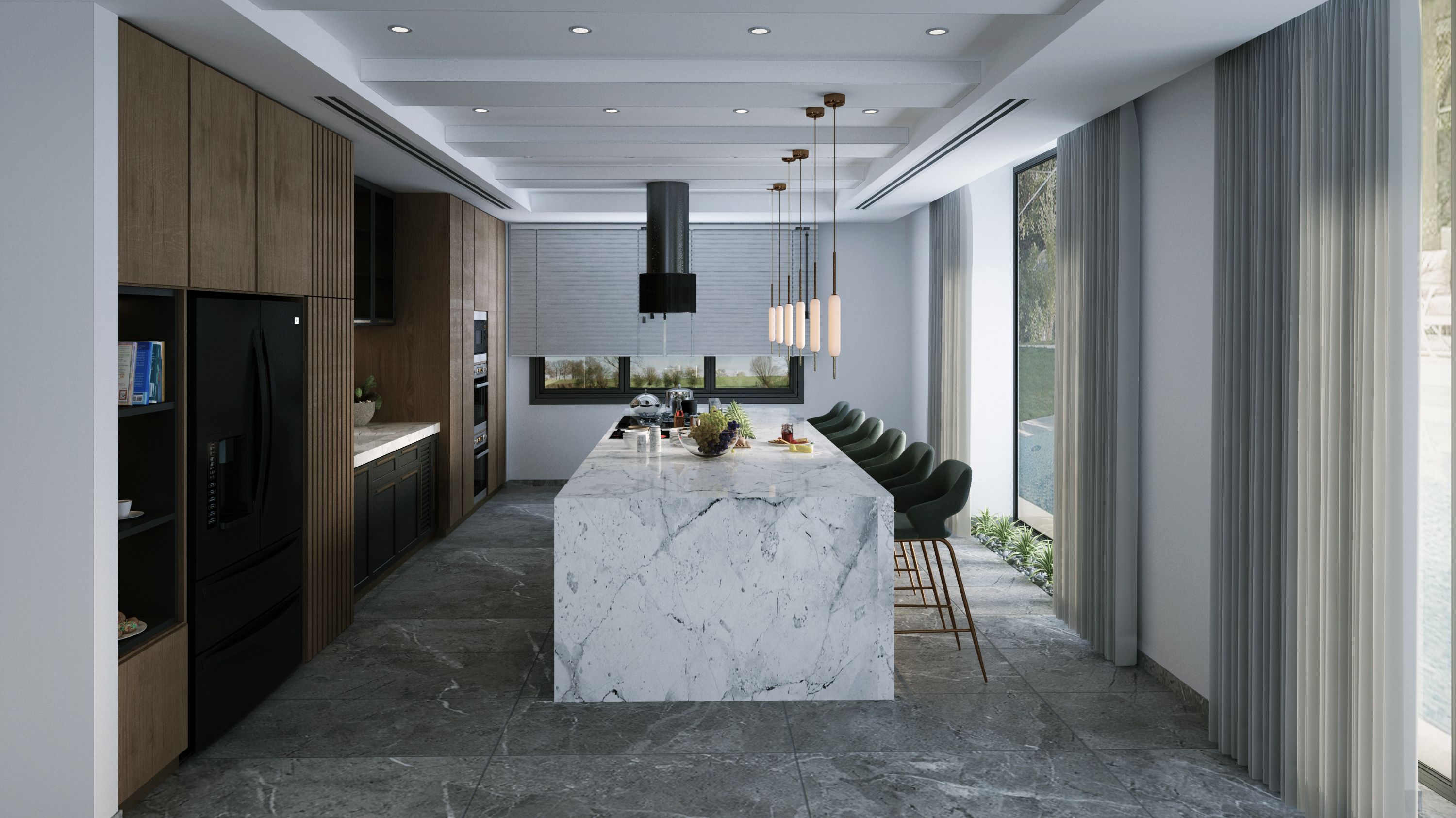
Outdoor spaces present a unique set of challenges. Rainwater accumulation, freeze–thaw cycles, UV exposure, and heavy pedestrian traffic often cause premature surface deterioration. Many developers face cracking, discoloration, or unsafe slip conditions within just a few years of installation. These issues are rarely caused by stone alone—they result from improper material selection, insufficient surface treatment, or inconsistent fabrication standards.
To address these concerns, Stonesale applies calibrated cutting, controlled surface finishing, and rigorous quality inspection to produce outdoor stone flooring engineered for real environmental stress. By combining dense raw materials, anti-slip finishes, and export-grade packaging, the company ensures both structural stability and long-term surface reliability.
Understanding Environmental Stress on Outdoor Surfaces
Before selecting exterior stone tiles, it is important to recognize how environmental factors affect material performance. Freeze–thaw cycling, for instance, can lead to internal expansion and micro-cracking if water penetrates porous surfaces. According to ASTM C666 (Standard Test Method for Resistance of Concrete to Rapid Freezing and Thawing), repeated freezing cycles significantly impact untreated materials. While the standard primarily evaluates concrete, similar principles apply to natural stone exposure.
Furthermore, slip resistance remains a key safety concern in outdoor flooring. The American National Standards Institute (ANSI A326.3) outlines dynamic coefficient of friction (DCOF) requirements for tile surfaces to reduce slip risk in wet conditions. Stonesale incorporates finish selection—such as flamed, sandblasted, or brushed surfaces—to meet appropriate slip-resistance performance levels for public spaces.
Additionally, long-term durability aligns with structural design principles outlined in the International Building Code (IBC), which emphasizes material suitability for environmental load conditions. By selecting dense granite or properly treated limestone, outdoor flooring installations achieve enhanced resistance to weather fluctuation.
Material Selection and Surface Technology
Choosing the correct material represents the first critical decision. Outdoor stone flooring must combine density, compressive strength, and low water absorption.
| Stone Type | Water Absorption | Compressive Strength | Typical Application |
|---|---|---|---|
| Granite | ≤0.5% | >150 MPa | Plazas, driveways, public pathways |
| Limestone | 0.5–1.2% | 80–120 MPa | Courtyards, garden areas |
| Marble (Outdoor Grade) | ≤0.8% | 100–140 MPa | Covered terraces |
Granite remains the most widely selected material for outdoor stone flooring due to its crystalline structure and high density. Flamed granite tiles, in particular, provide enhanced traction through thermal surface treatment that roughens the stone without compromising structural strength.
To further support durability, Stonesale implements:
-
Thickness calibration within ±0.3–0.5 mm
-
Reinforced backing where required
-
Controlled surface finishing to achieve R10–R12 slip ratings
-
UV-stable sealing recommendations
These steps reduce maintenance frequency and extend the service life of exterior installations.
Installation Considerations for Long-Term Performance
Beyond material quality, installation design directly affects outdoor stone performance. Proper sub-base drainage, expansion joints, and slope grading prevent water pooling and structural stress. The Tile Council of North America (TCNA) Handbook highlights the importance of expansion joint placement in exterior stone systems to accommodate thermal movement.
By coordinating with contractors and distributors, Stonesale provides dimensionally accurate exterior stone tiles that simplify installation alignment and reduce on-site modification. This calibration reduces labor time and ensures surface continuity across large-format outdoor layouts.
Application Scenarios Across Exterior Projects
Outdoor stone flooring integrates into a wide range of architectural environments.
Commercial Landscapes
Public plazas, shopping mall entrances, and transportation hubs require slip-resistant stone capable of withstanding constant pedestrian flow.
Hospitality and Resort Developments
Pool decks and garden walkways benefit from flamed granite or sandblasted limestone finishes that combine safety and natural aesthetics.
Residential Terraces and Patios
Homeowners favor natural stone patio flooring for durability and visual warmth, particularly in Mediterranean-style architecture.
Urban Infrastructure
Municipal walkways and civic buildings rely on calibrated granite tiles for structural reliability under environmental stress.
Each scenario demands consistent color grouping and surface uniformity—managed through batch sorting and pre-export inspection at Stonesale’s production facilities.
Q&A: Key Considerations for Outdoor Stone Flooring
Q: Which stone performs best in freeze–thaw climates?
Dense granite with low water absorption offers the highest resistance to freeze–thaw damage when properly installed and sealed.
Q: How is slip resistance verified?
Surface finishes are tested against industry guidelines such as ANSI DCOF recommendations to ensure appropriate traction levels.
Q: What is the recommended thickness for exterior flooring?
For pedestrian areas, 20–30 mm is typical. Heavier-load environments may require thicker formats depending on structural design.
Building Exterior Spaces with Confidence
Outdoor stone flooring must respond to environmental exposure, structural load, and public safety requirements simultaneously. By aligning material selection with recognized industry standards and applying calibrated processing methods, Stonesale supports projects that demand both aesthetic consistency and measurable durability.
For technical consultation, samples, or project-based quotations, visit https://www.stonesale.com/ or connect directly via https://www.stonesale.com/contact-us.