Where Polished Floors Start Creating Hidden Problems
In many commercial and residential projects, flooring is selected based on visual impact first—high gloss, clean reflections, and a sense of luxury. However, once the space is in use, new issues begin to surface: slippery surfaces under humidity, visible wear in high-traffic zones, and increased maintenance requirements.
These challenges often arise because a polished stone floor is chosen without fully understanding how it performs in real environments. At Stonesale, we address this by evaluating not only the visual requirements, but also traffic conditions, environmental exposure, and long-term usage patterns—ensuring that polished surfaces are applied where they truly perform best.
Material Characteristics and Surface Processing Behind Gloss Finishes
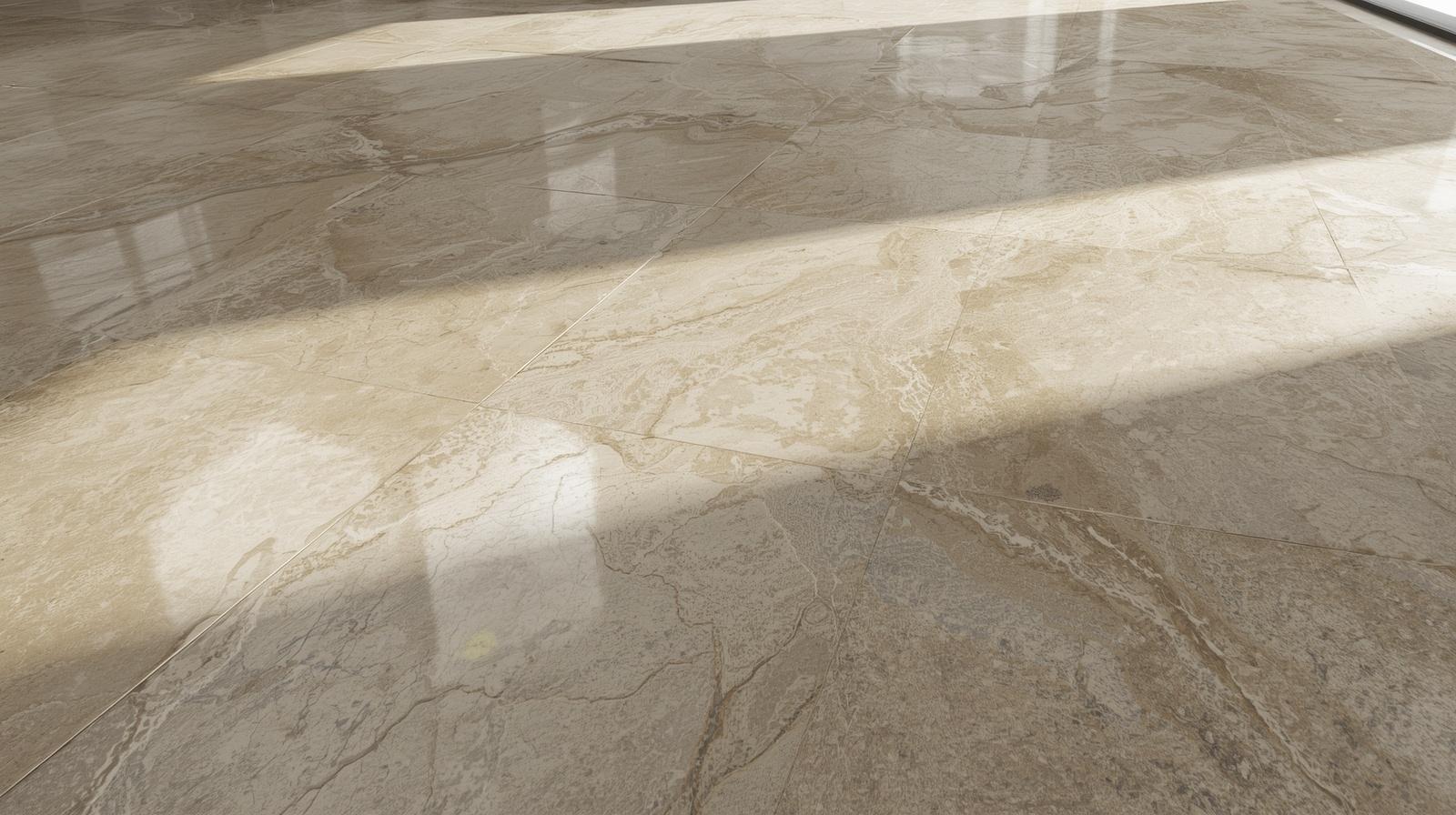
Before selecting materials, it is important to understand that polished finishes are achieved through mechanical abrasion and refinement, creating a smooth surface that enhances reflectivity but reduces surface friction.
Marble and granite are the most common materials used for polished finishes. Marble offers richer veining and a softer visual appearance, while granite provides higher density and durability.
According to references from the Natural Stone Institute, polished surfaces generally have lower slip resistance compared to textured finishes, making application selection critical.
This means a polished stone floor should always be evaluated in the context of its environment, not just its appearance.
Performance Comparison: Polished vs Textured Stone Surfaces
To better understand where polished surfaces work best, it helps to compare them with anti-slip finishes:
| Parameter | Polished Marble | Honed Surface | Flamed Granite |
|---|---|---|---|
| Surface Gloss Level | High | Medium | Low |
| Wet Slip Resistance (COF) | 0.30–0.40 | 0.45–0.60 | 0.60–0.80 |
| Visual Impact | Premium | Soft matte | Functional |
| Maintenance Frequency | High | Medium | Low |
| Wear Visibility | High | Medium | Low |
This comparison shows that while a polished stone floor delivers superior aesthetics, it requires more careful placement and maintenance planning.
Why Stonesale Helps Optimize Polished Flooring Performance
Many projects fail not because polished stone is unsuitable, but because it is applied without proper planning.
At Stonesale, we optimize polished flooring by:
- Selecting materials with higher density for durability
- Recommending zoned applications (polished + anti-slip combinations)
- Advising on installation and maintenance strategies
This allows clients to achieve the visual benefits of a polished stone floor without compromising safety or performance.
Application-Based Strategies for Polished Stone Flooring
Instead of using polished surfaces everywhere, successful projects apply them selectively based on usage scenarios.
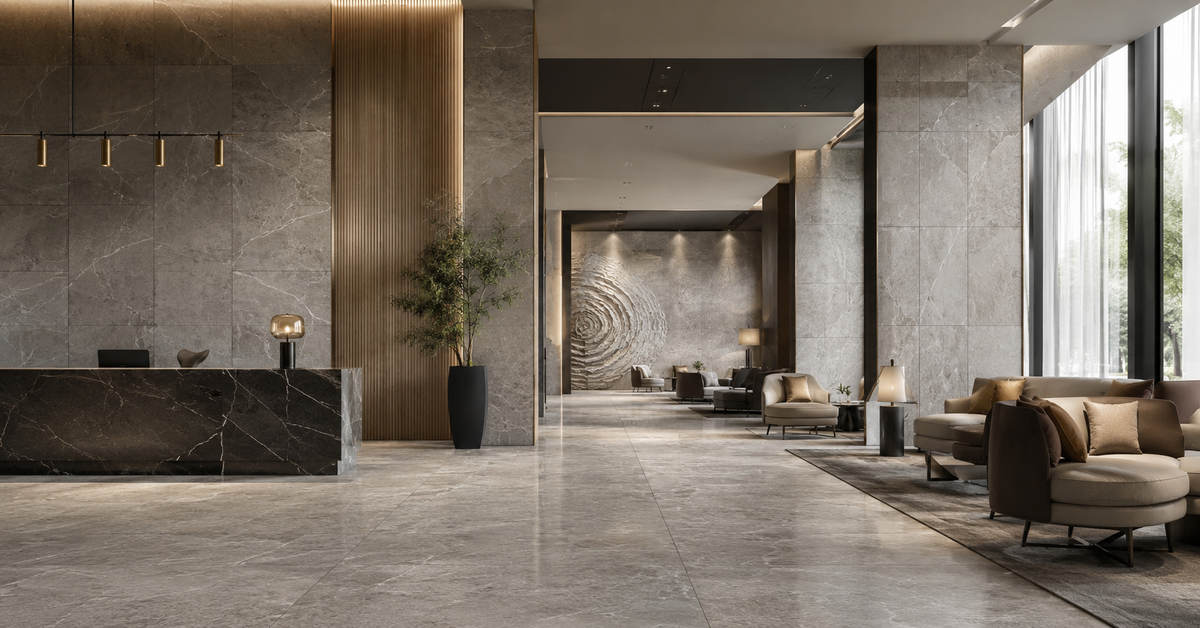
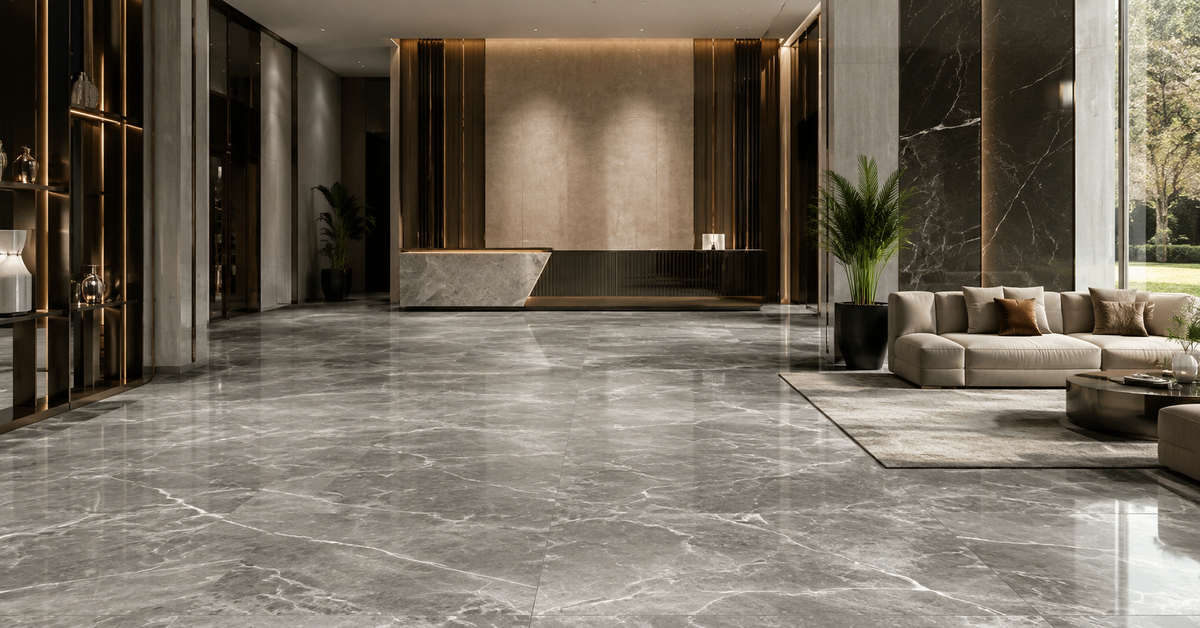
1. Hotel Lobbies and Reception Areas
- Focus: Visual impact and luxury experience
- Solution: Full polished marble with controlled entry zones
- Result: Strong first impression with managed safety
2. Retail and Commercial Interiors
- Focus: Brand presentation and customer flow
- Solution: Polished flooring in display zones + matte finishes in walkways
- Result: Balanced aesthetics and functionality
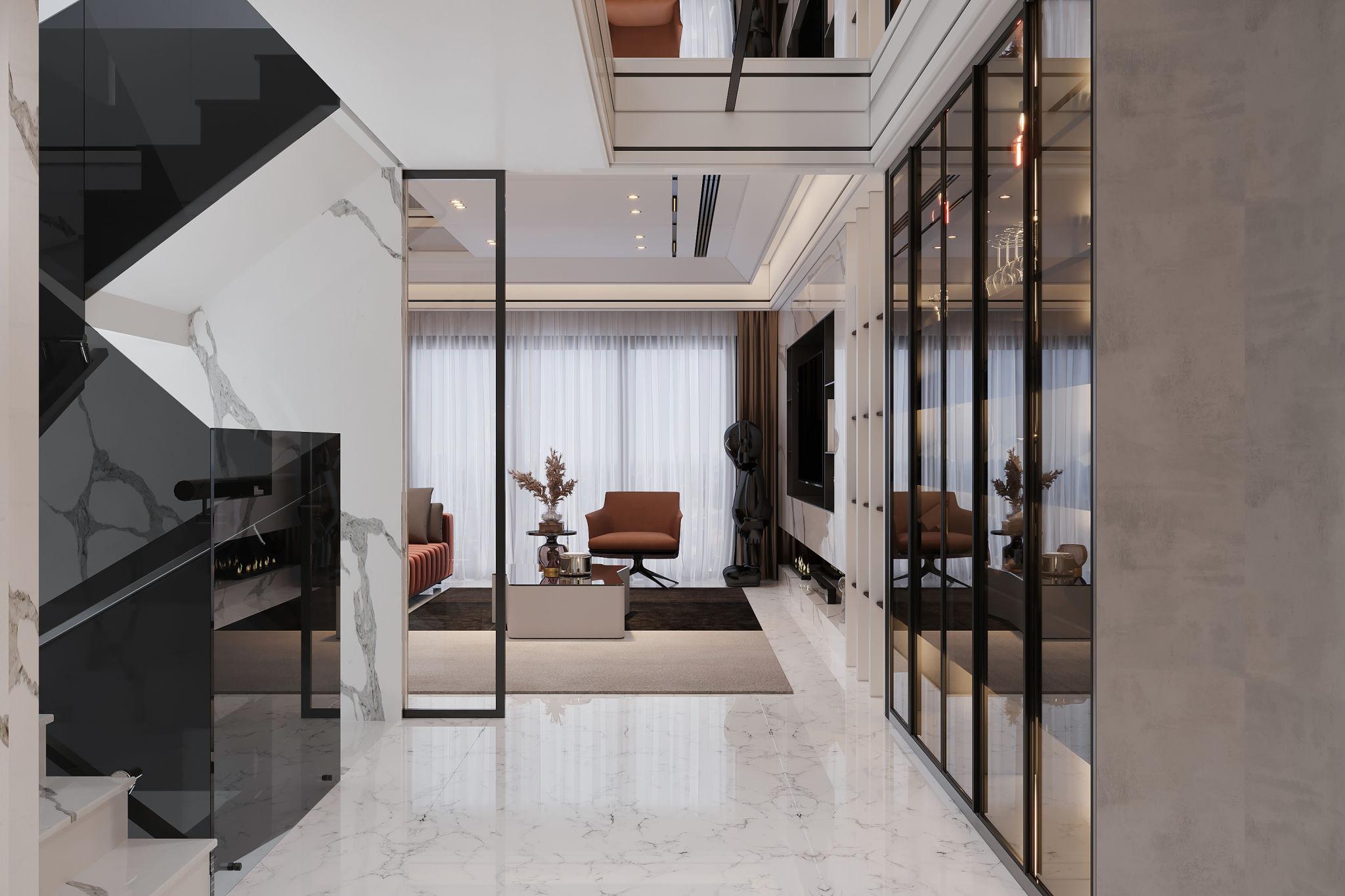
3. Residential Living Spaces
- Focus: Comfort and design continuity
- Solution: Polished stone in dry indoor areas
- Result: Elegant finish with minimal risk
4. Transitional Indoor-Outdoor Areas
- Focus: Safety under environmental change
- Solution: Gradual shift from polished to textured surfaces
- Result: Reduced slip risk
These strategies ensure that a polished stone floor is used where it performs best, rather than where it looks best.
Project Case: Maintaining Luxury While Reducing Maintenance Costs
A high-end commercial building project initially specified fully polished marble flooring across all public areas. After several months of use, visible wear patterns and increased maintenance costs became major concerns.
Stonesale revised the flooring plan by:
- Retaining polished marble in low-traffic visual zones
- Introducing honed finishes in circulation areas
- Adjusting cleaning and maintenance recommendations
After optimization:
- Maintenance costs decreased by approximately 30%
- Surface wear became less visible
- Overall design consistency was preserved
This case shows that a properly planned polished stone floor can deliver both visual appeal and operational efficiency.
What Buyers Should Consider Before Choosing Polished Stone
Before making a decision, professional buyers evaluate:
Traffic intensity
High-traffic areas require more durable or mixed-surface solutions
Environmental exposure
Humidity and water significantly affect polished surface safety
Maintenance capability
Polished surfaces require regular care to maintain appearance
These factors determine whether a polished solution will succeed in the long term.
Creating Balanced Flooring Systems with Stonesale
Modern flooring design is about balance—between aesthetics, durability, and usability.
At Stonesale, we help clients integrate polished surfaces into broader flooring systems, ensuring that each material is used where it performs best.
If you want to explore more about how we approach stone selection and project execution, you can visit our About Us page for detailed insights.
For project discussions, technical recommendations, or material samples, feel free to contact us directly—our team will help you build a polished flooring solution that truly works in real environments.