Choosing a Reliable Quartz Kitchen Top Supplier: What Matters
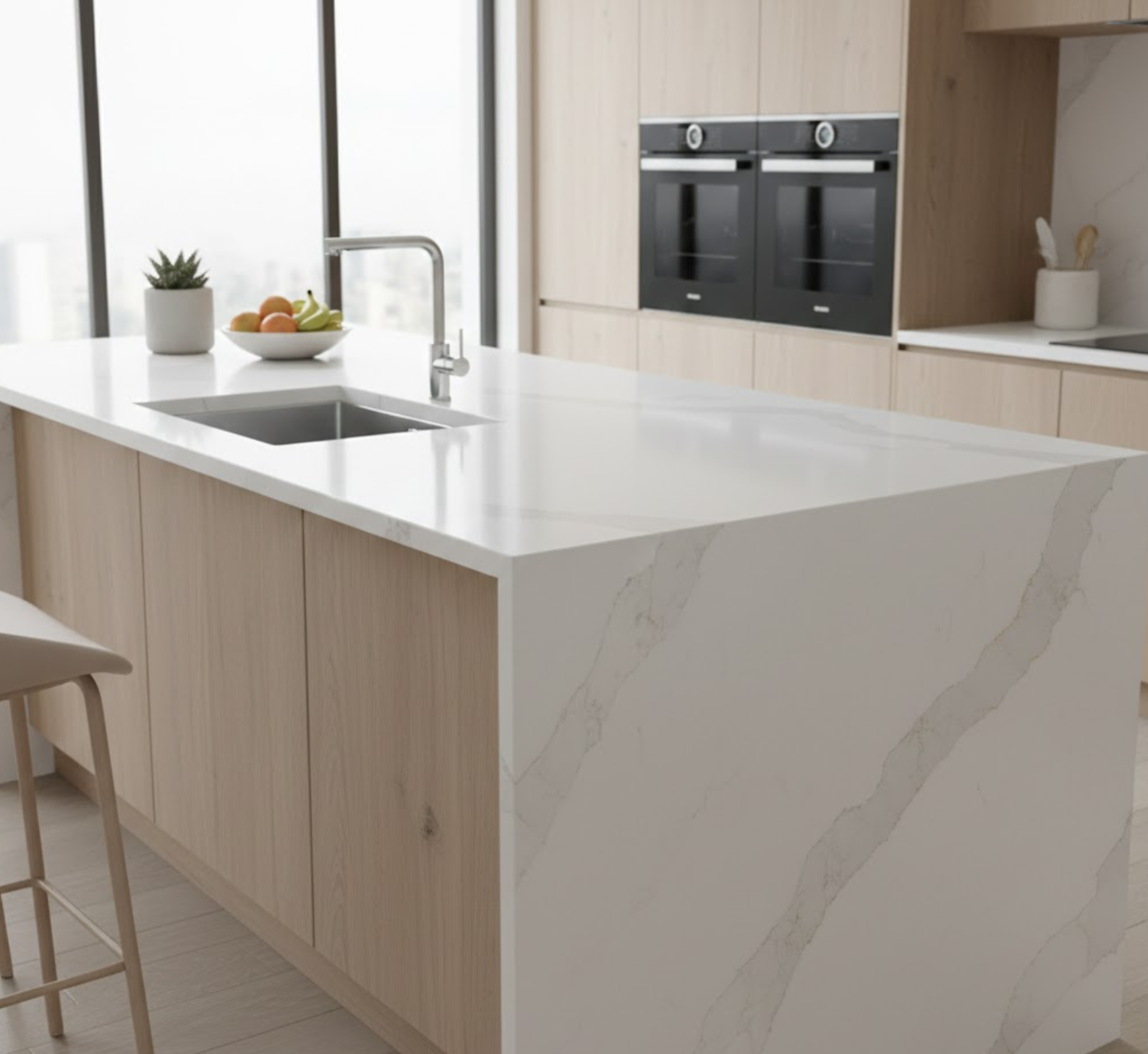
A quartz kitchen top is more than just a surface — it’s where cooking meets daily life, aesthetics meets hygiene, and design meets function. For that reason, choosing the right quartz kitchen top supplier is essential.
A quality supplier should offer:
-
Slabs with consistent density and color.
-
Reliable fabrication and finish options.
-
Transparency in material composition and performance test data.
-
Logistics and packaging that protect slabs during transport.
This article lays out how to evaluate suppliers, what material and quality standards to check, and practical advice for kitchen owners, designers, and contractors.
What Makes Quartz Tops Well-Suited for Kitchens
Quartz kitchen surfaces have become popular because they offer several advantages that align with kitchen demands. According to industry resources, engineered quartz is made from a high proportion (often 90–95%) of natural quartz crystals, combined with resin binders and pigments.
Key Performance Benefits:
-
Non-porous surface — Quartz resists liquid absorption, reducing risk of stains, mold, or bacterial growth.
-
Scratch and chip resistance — Quartz hardness (around Mohs 7) gives it better scratch resistance than many natural stones, suitable for daily kitchen use (cutting, placing cookware, etc.)
-
Low maintenance — No sealing required, and simple routine cleaning with mild soap & water keeps surfaces in good condition.
-
Design flexibility — Wide design and color range, from solid tones to marble-like patterns, enabling consistent aesthetics across kitchens, bathrooms, or open-plan interiors.
These traits make quartz tops particularly attractive for home kitchens, commercial kitchens, hospitality, and renovation projects where reliability and aesthetics both matter.
How to Evaluate Quartz Kitchen Top Suppliers
When selecting a supplier, it’s not enough to look at visuals — you need to examine slab quality, compliance with industry standards, fabrication capability, and after-sales support. Here’s a checklist to guide your decision:
| Evaluation Factor | What to Check / Ask | Importance / Why It Matters |
|---|---|---|
| Material Composition | Quartz content ratio, resin & pigment proportions, raw material source | Ensures hardness, consistency, and long-term durability (high quartz percentage means stronger surface) |
| Testing & Certification | Compliance with standards such as ASTM International (e.g. absorption, flexural strength, density) as per specification standards for quartz surfacing | Provides objective quality data, critical for large projects or commercial kitchens |
| Finish & Fabrication Options | Available finishes (polished, honed, matte), slab sizes, cut-to-size, edge profiles, sink cutouts | Flexibility for customized designs, seamless installations, and better integration with cabinetry |
| Slip/Stain/Heat Resistance | Test reports on stain resistance, surface hardness; guidance on heat exposure and maintenance | Important for safety, kitchen functionality, long-term appearance preservation |
| Logistics & Packaging | Crate & protection details, crate cushioning, slab thickness and transport handling info | Avoid damage during transport — essential for international shipments or long-distance delivery |
| After-Sales Support & Warranty | Warranty duration, warranty scope (chips, cracks), maintenance guidance, spare parts or slab replacement | Provides security and confidence, especially for residential or hospitality projects |
A supplier who transparently provides data on all these points is likely to meet professional standards and long-term satisfaction expectations.
Common Mistakes When Choosing Quartz Kitchen Tops — And How to Avoid Them
-
Focusing only on appearance: Slab may look good in showroom lighting but perform poorly under real kitchen conditions. Always ask for test reports for absorption, hardness, and finish resilience.
-
Skipping finish suitability check: Glossy finishes highlight scratches; matte/honed finishes may hide wear better in high-traffic kitchens.
-
Ignoring slab uniformity: Variation in color or quartz content between slabs can lead to inconsistent appearance or performance. Choose suppliers with strict batch control.
-
DIY installation without professional help: Quartz tops are heavy and need precise cutouts and sealing; improper installation can cause cracks or misalignment. Always use experienced install teams.
When Quartz Makes Sense — and When to Explore Alternatives
Quartz tops fit many kitchen types — but they’re not always perfect. Good scenarios include:
-
Busy home kitchens needing durable, low-maintenance surfaces.
-
Commercial or rental kitchens requiring hygiene, stain resistance, and easy cleaning.
-
Projects demanding consistent appearance and matching across multiple rooms or blocks.
Caution if:
-
High heat cooking without trivets (quartz resin binds are heat-sensitive).
-
Outdoor use or direct strong UV exposure (some quartz may discolor over time).
-
Clients prefer natural stone’s unique irregularity and natural vein variation for aesthetic or heritage feel.
Q&A: Quartz Kitchen Tops — What Buyers Often Ask
Q: Will quartz stain if I spill wine or coffee?
High-quality quartz tops resist stains due to their non-porous surface, but it’s good practice to wipe spills quickly. Some tests show that strong dyes or acidic liquids may leave faint marks on certain lighter patterns.
Q: Can I put hot pots directly on a quartz countertop?
Quartz tolerates moderate heat, but sudden and prolonged exposure to high temperatures (like hot pans directly from stove) can damage the resin binder — use trivets for protection.
Q: How often do quartz kitchen tops need maintenance or sealing?
Unlike natural stone, quartz does not require sealing. Routine cleaning with mild soap and water is usually sufficient.
Building Trust Through Transparency and Quality
Selecting a quartz kitchen top — and the right supplier — means balancing appearance, performance, and long-term reliability. A responsible supplier shares material data, test reports, fabrication capabilities, and installation guidance.
If you are evaluating quartz kitchen tops for a remodel, hotel, rental, or new build, use the checklist above. Demand transparency — it’s the difference between a surface that degrades in years and a kitchen top that endures decades.
Curious to explore options or request sample slabs? Feel free to start a conversation via our contact page — we’d be glad to support your project.