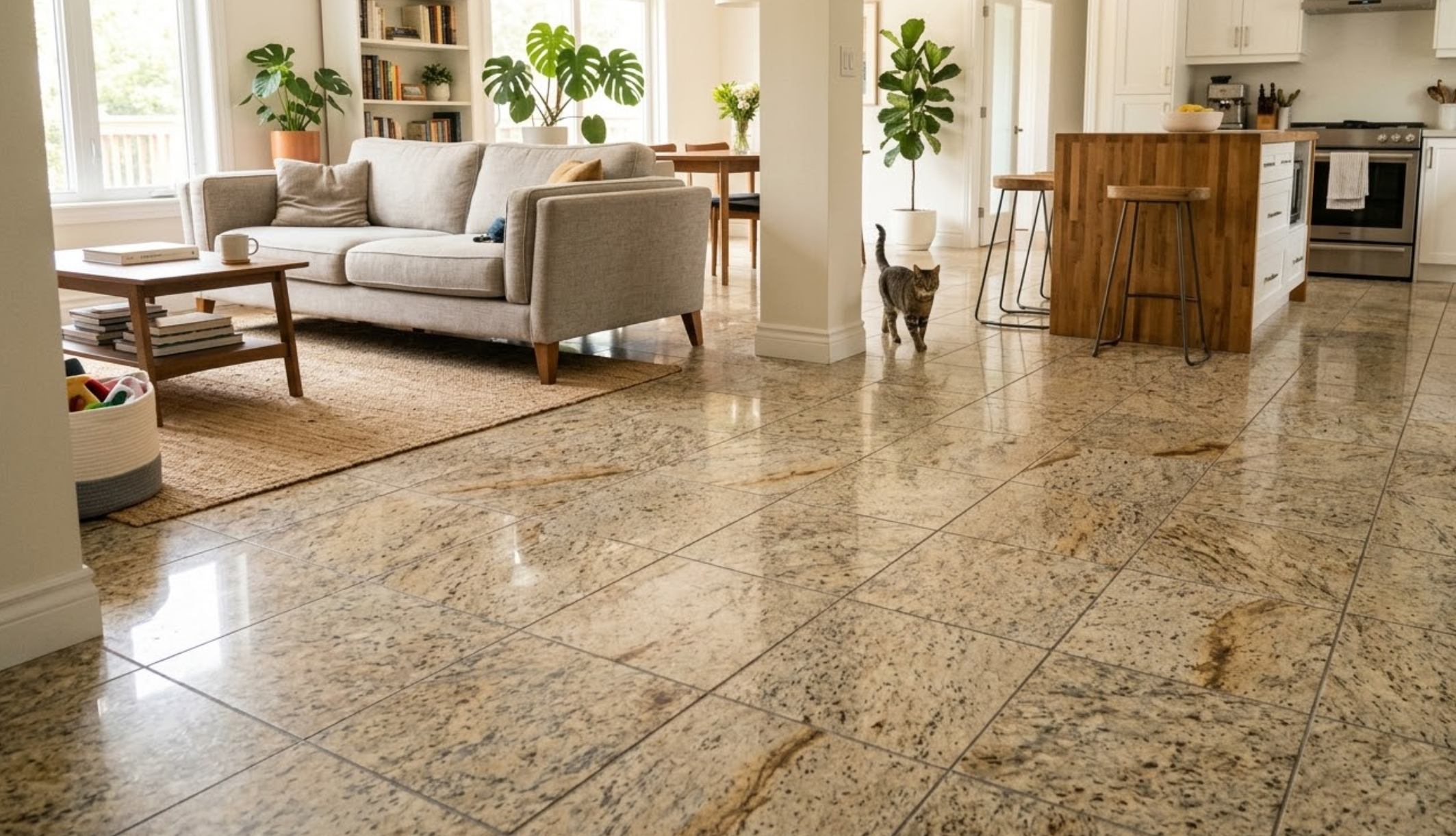
Residential Granite Tiles for Durable and Refined Home Flooring
Homeowners often choose granite for one primary reason: it withstands daily use without losing structural integrity. Yet many residential projects encounter avoidable issues—uneven tile calibration, inconsistent color tone between batches, micro-cracking from improper cutting, or slippery surfaces when high gloss finishes are selected without environmental consideration.
Residential granite tiles must perform under foot traffic, furniture movement, and kitchen moisture exposure while maintaining visual clarity. Stonesale addresses these challenges through block grading, CNC cutting accuracy, calibrated thickness control, and finish-specific surface testing to ensure home applications remain stable over time.
Material Performance and Structural Characteristics
Granite is an igneous rock formed under high pressure, which contributes to its density and compressive strength. For residential use, granite tiles typically meet the following physical standards:
- Density: 2.63–2.75 g/cm³
- Water absorption: ≤0.4%
- Compressive strength: 130–200 MPa
- Flexural strength: 10–25 MPa
According to ASTM C615 (Standard Specification for Granite Dimension Stone), granite suitable for flooring must meet defined durability criteria. Low water absorption and high compressive strength reduce the risk of cracking or moisture penetration in kitchens and entryways.
Granite floor tiles for home use are commonly produced in 300×600 mm, 600×600 mm, and custom cut-to-size formats depending on layout requirements.
Surface Finishes and Slip Considerations
Surface texture influences both aesthetics and safety. ANSI A326.3 standards for Dynamic Coefficient of Friction (DCOF) recommend appropriate slip resistance levels for interior floors.
Finish options include:
| Finish Type | Surface Appearance | Recommended Area |
|---|---|---|
| Polished | Glossy, reflective | Living rooms, feature areas |
| Honed | Matte, smooth | Bedrooms, hallways |
| Flamed | Textured, slip-resistant | Outdoor-connected interiors |
| Brushed | Slightly textured | Transitional zones |
In homes with children or elderly occupants, honed or lightly textured finishes provide better traction compared to high-gloss polished surfaces.
Installation Standards for Home Applications
Even dense stone can fail if installation conditions are not controlled. The Tile Council of North America (TCNA Handbook) highlights the importance of substrate preparation and expansion accommodation for natural stone flooring.
Recommended installation parameters include:
- Subfloor flatness tolerance within ±3 mm over 3 meters
- Use of flexible thin-set adhesives
- Expansion joints integrated along perimeter walls
- Proper curing time before furniture placement
Residential granite tiles must also be sealed appropriately to reduce surface staining in kitchen and dining areas.
Color Selection and Interior Coordination
Granite offers a broad range of tones—from light grey and beige to deep black and multicolor patterns.
Popular residential options include:
- Absolute Black granite for modern minimalist interiors
- Steel Grey granite for neutral contemporary spaces
- Kashmir White for brighter kitchen flooring
- Tan Brown for warm-toned homes
Batch-controlled production ensures consistent tone distribution across larger residential projects.
Safety, Compliance, and Transport Packaging
Granite tile exports must comply with dimensional stone standards such as ASTM C615 and EN 12058.
Stonesale applies the following quality control procedures:
- Thickness calibration tolerance within ±0.5 mm
- Edge straightness verification
- Surface flatness inspection
- Moisture absorption testing
For international shipments, tiles are separated with protective foam sheets and packed in ISPM 15-certified wooden crates. Container loading plans are arranged to reduce vibration stress during transport.
Practical Residential Applications
Residential granite tiles are commonly used in:
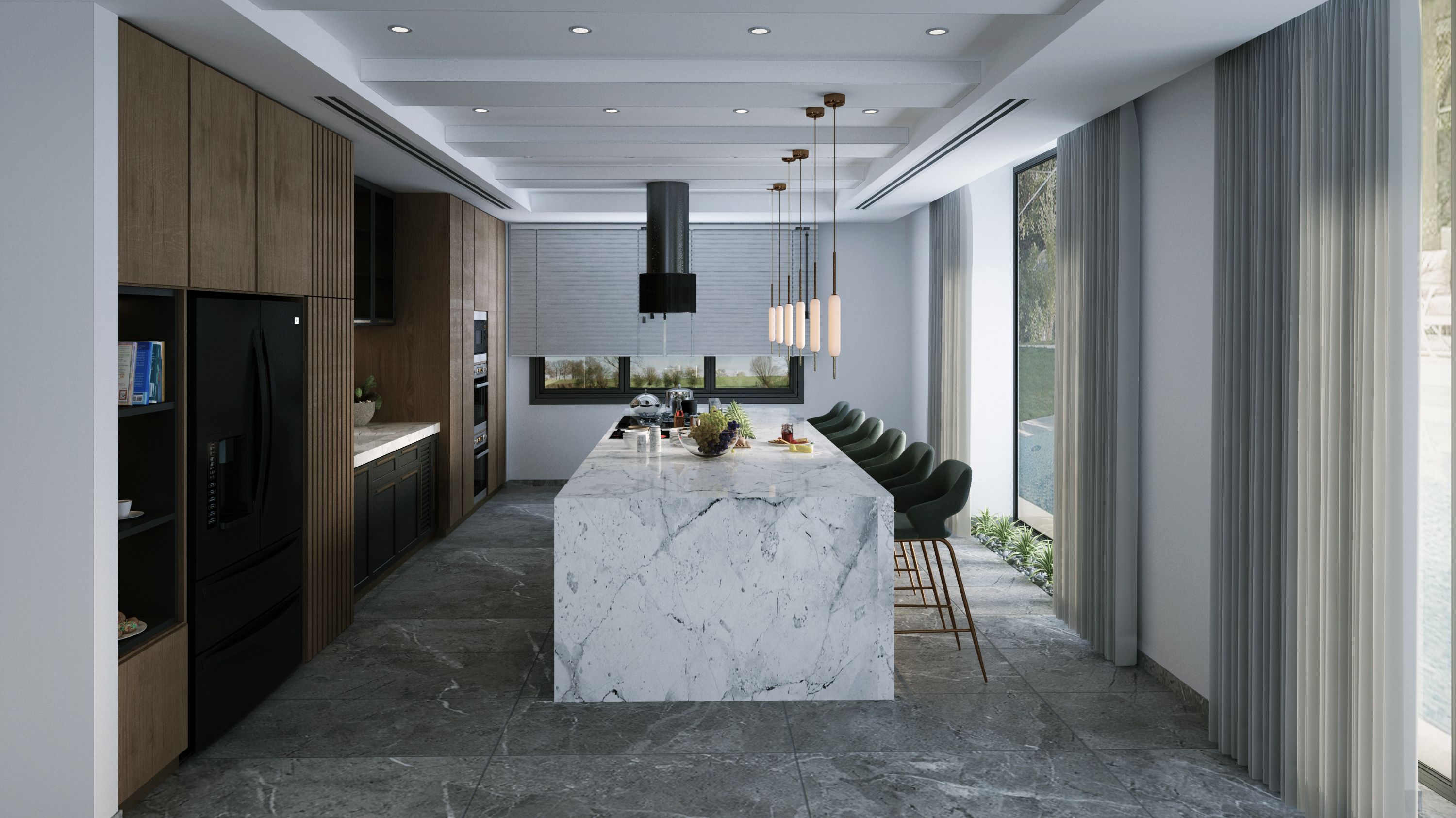
- Kitchen floors
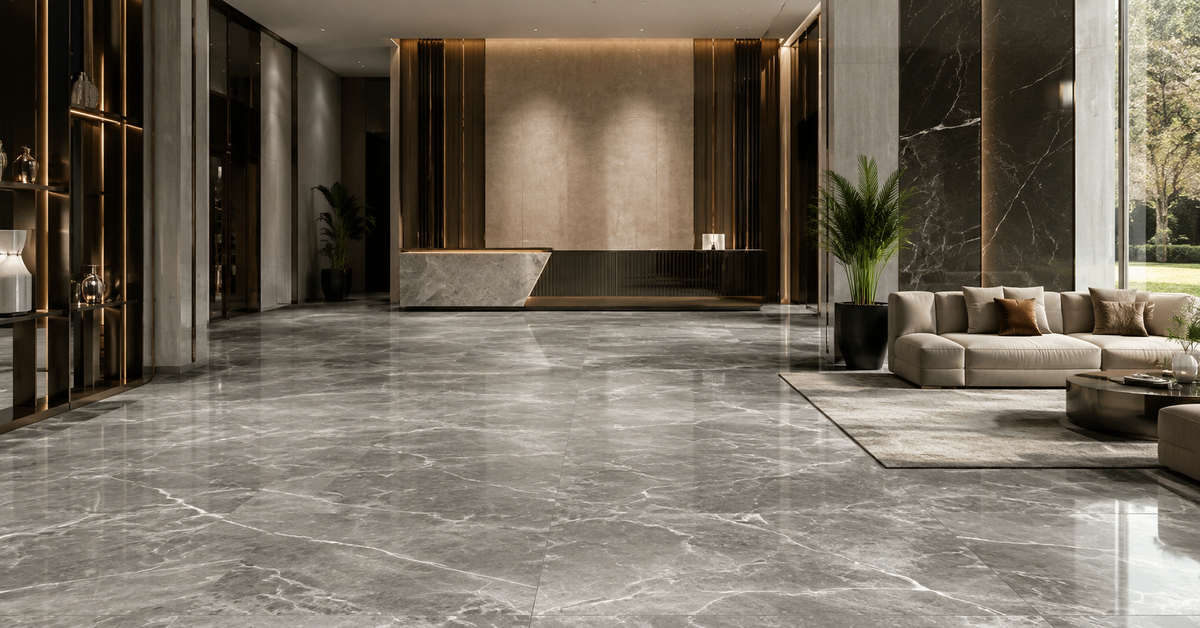
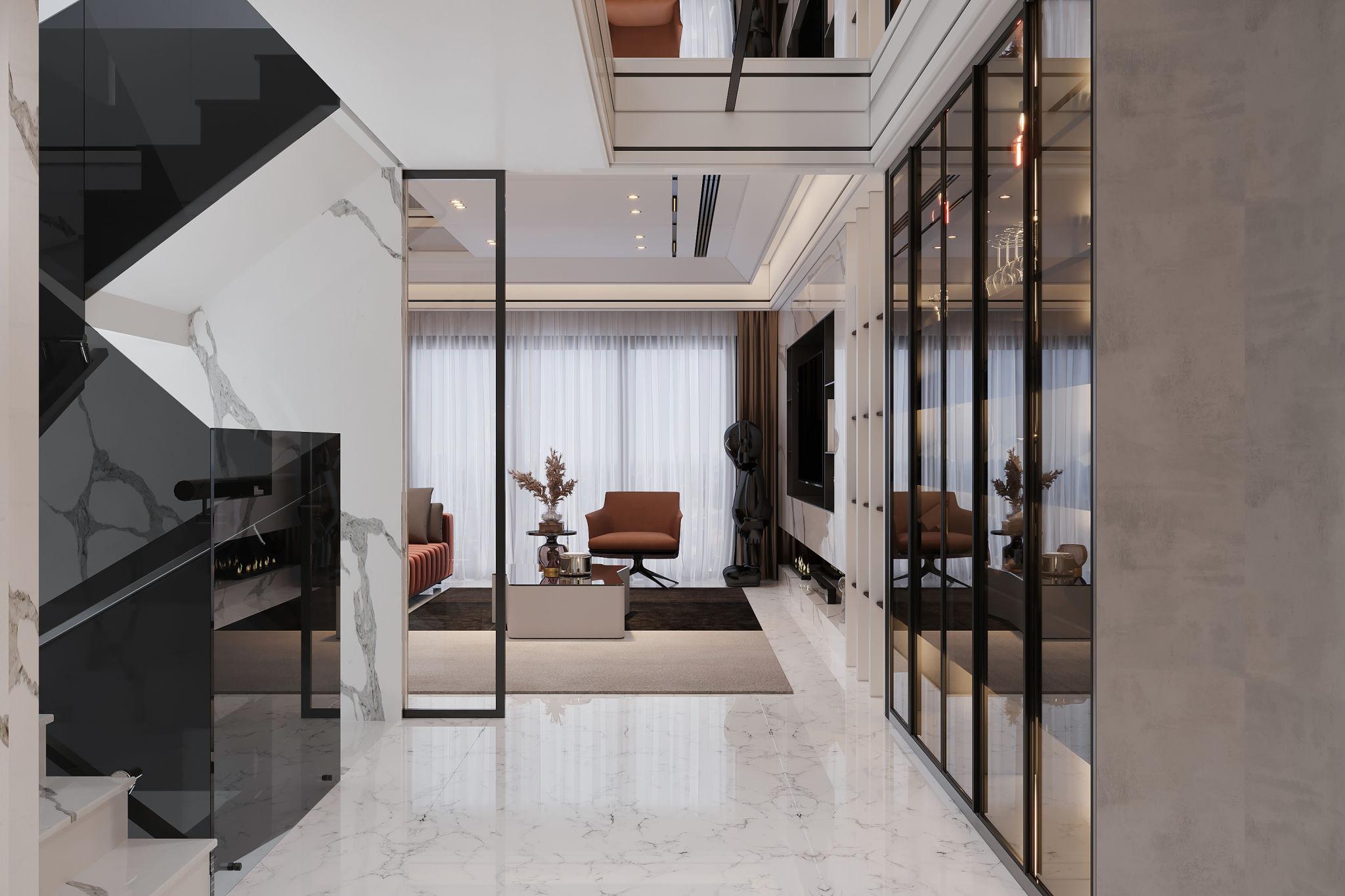
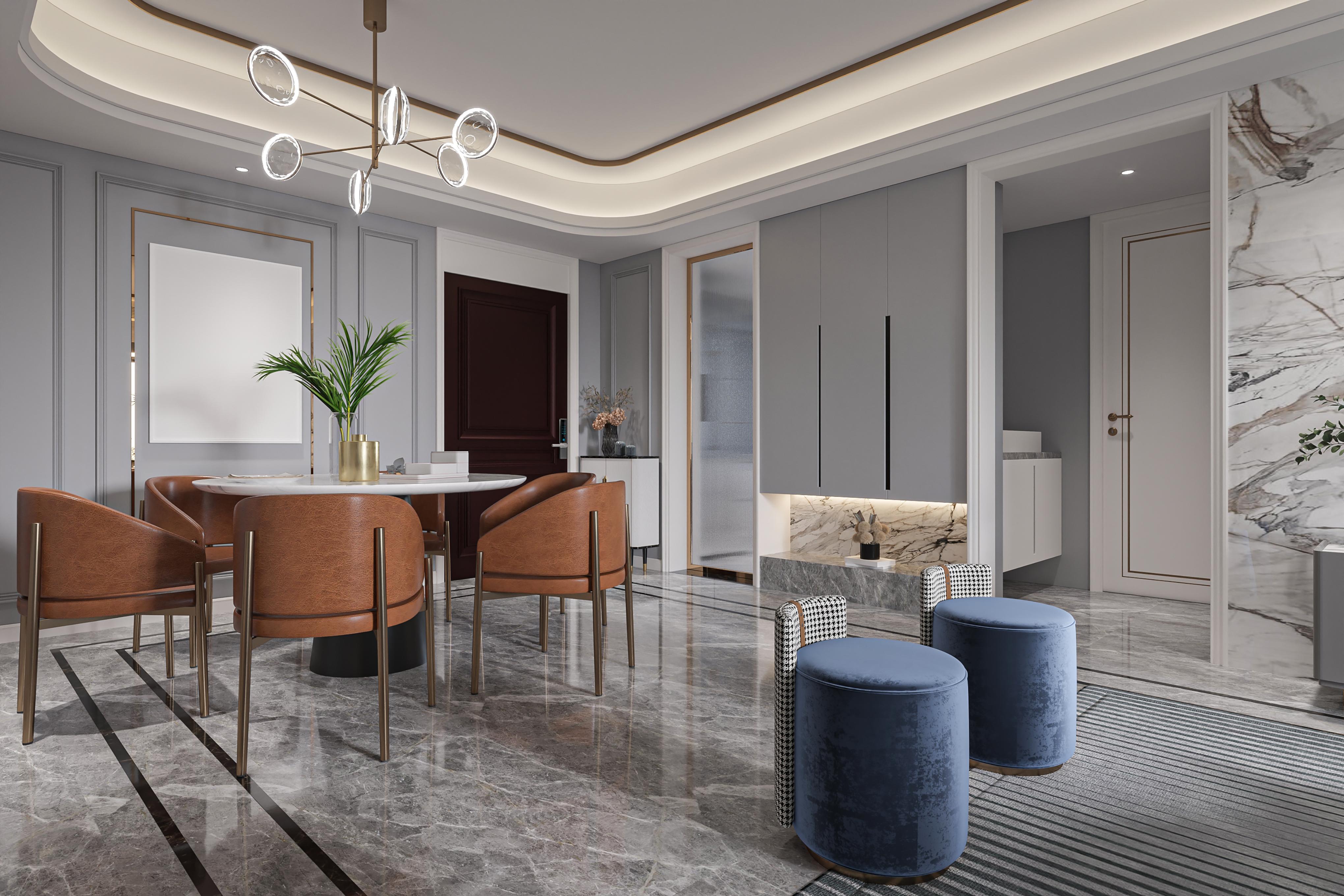
- Living room flooring
- Entryways and foyers
- Stair treads
- Interior corridors
Because granite resists scratching and abrasion better than many sedimentary stones, it performs well in homes with pets or high foot traffic.
Q&A: Homeowner Considerations
Q: Are granite tiles suitable for underfloor heating systems?
Yes. Granite conducts heat effectively when installed with appropriate adhesives and expansion allowances.
Q: Do granite tiles require sealing?
While granite has low porosity, sealing is recommended to reduce staining risk in kitchen areas.
Q: How long can granite flooring last in residential settings?
With proper installation and maintenance, granite flooring can last decades without structural degradation.
Supporting Residential Flooring Projects with Structured Supply
Residential granite tiles combine structural stability with natural texture variation, making them a practical choice for long-term home flooring. When calibrated cutting, finish testing, and installation planning are coordinated correctly, granite flooring maintains both appearance and performance.
For detailed specifications, finish samples, or custom sizing options, visit https://www.stonesale.com/ or contact the project team at https://www.stonesale.com/contact-us for direct consultation.